Blog / / Tourithm
Hotel Digital Marketing in Sri Lanka: Building a System That Actually Gets Bookings
A practical hotel digital marketing guide for Sri Lankan hotels, villas and resorts looking to improve visibility, attract travellers and generate more direct bookings.
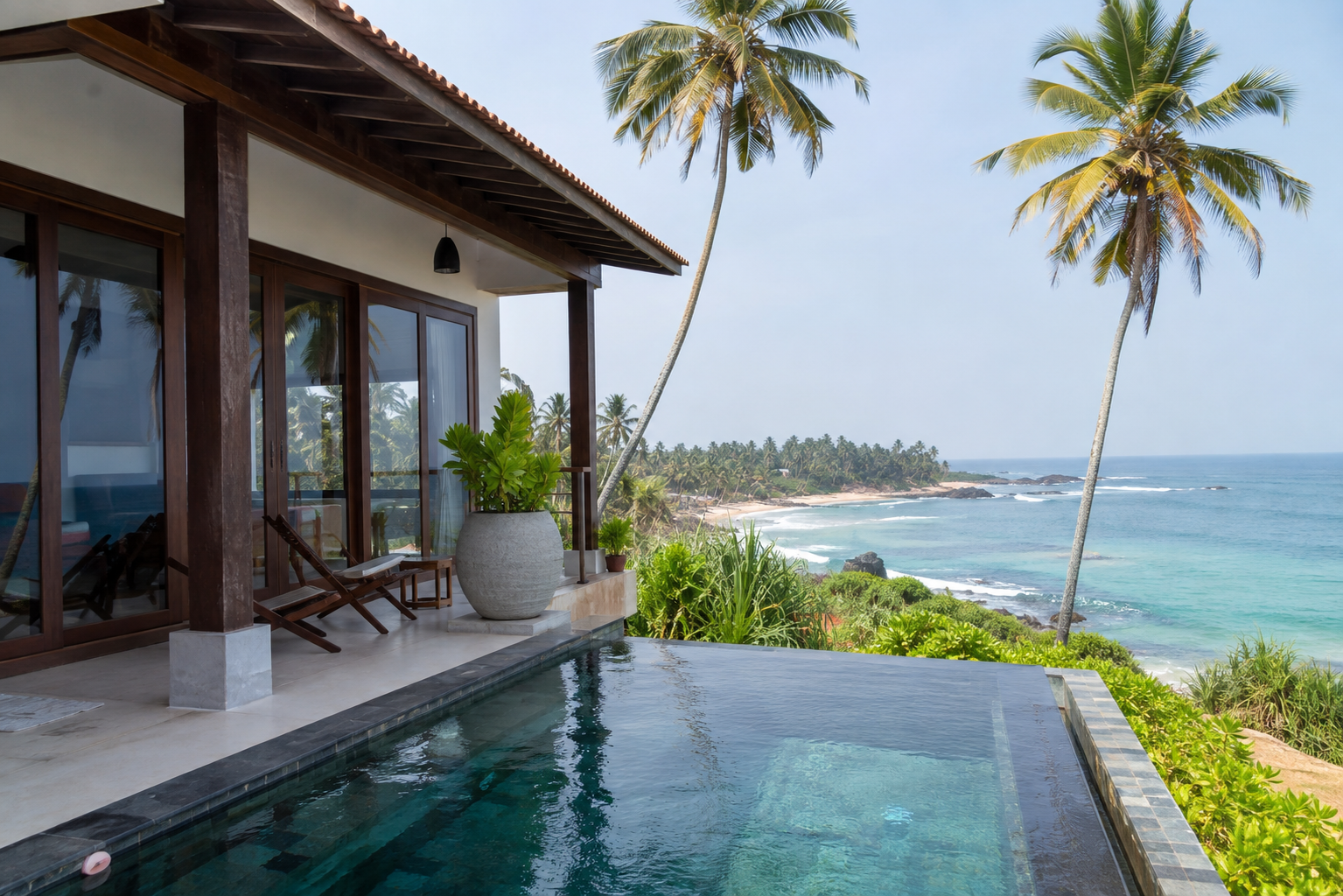
Most hotels in Sri Lanka are already online. They have a Facebook page, an Instagram account, a Booking.com listing, perhaps an Airbnb profile and, in many cases, a website.
But being online and having a digital marketing strategy are two very different things.
A hotel can be active across five different platforms and still struggle to generate consistent bookings because those platforms are not working together. The website exists separately from social media. Social media exists separately from Booking.com. Google is barely managed. Advertising is started whenever occupancy drops.
That is activity, not strategy. For hotels, villas and resorts in Sri Lanka, digital marketing should be viewed as one complete traveller journey. Someone may discover a property through Instagram, search its name on Google, read reviews, compare it with alternatives on Booking.com, visit the official website and only then decide whether to book.
Every digital touchpoint has a job to do. Visibility Comes First A beautiful property cannot generate bookings online if travellers cannot find it. This is where hotel SEO, Google Business Profile optimization, destination content, OTAs and social media all play different roles. Someone searching for a “private villa in Mirissa” is showing very different intent from someone casually watching a travel reel.
Strong hotel digital marketing captures both. Google can introduce travellers who are actively searching for accommodation. Social media can create desire before the traveller has decided where to stay. OTAs can place the hotel inside an existing marketplace. Content can introduce the property while someone is researching the destination itself.
The mistake is depending entirely on one of them. A tourism business that receives almost every booking from one platform may be performing well today, but it has very little control over how future customers are acquired.
Your Digital Presence Has to Build Trust Getting discovered is only the beginning. Travellers are comparing your property with dozens of alternatives. They are looking at photographs, reviews, rooms, location, amenities, prices and the overall experience.
This is why professional property photography has such a large role in hotel marketing. Online, guests cannot walk into the room or see the view for themselves. Your photographs have to communicate the experience before the guest arrives.
The same applies to the website. A hotel website should not simply say that you offer “luxury accommodation and unforgettable hospitality.” It should show people what makes the property worth choosing.
What will mornings feel like? How close is the beach? What can guests do nearby? Which room should a couple choose? Is the property suitable for families? How do they make a reservation?
Good tourism websites reduce uncertainty. Social Media Should Create Demand, Not Just Engagement Many tourism businesses measure social media success through followers, views and likes. Those numbers can be useful, but they are not the final objective. A hotel can receive 100,000 reel views and still generate almost no bookings from them.
The stronger question is whether the content makes the right traveller interested enough to take another step. That could mean searching for the hotel, visiting the website, checking room availability, sending a WhatsApp enquiry or remembering the property when planning the trip later.
The best tourism content does more than show a room. It sells the feeling around the stay. Direct Bookings and OTAs Should Work Together Hotels do not need to declare war on Booking.com, Agoda or Airbnb. OTAs provide enormous visibility and can be particularly useful for new properties. The problem begins when there is no strategy outside them.
A strong hotel marketing system uses OTAs for distribution while building the property's own brand at the same time. Google visibility, a professional website, strong reviews, remarketing, direct enquiry options and previous guest relationships gradually create additional booking channels.
That gives the business more control. Think of Hotel Marketing as One Connected System A strong property with poor photography will struggle to communicate its value. Great photography with a weak website can create interest but lose conversions. A great website with no SEO may simply remain invisible. Strong social media with no booking journey may create attention without revenue.
Everything has to connect. That is the real opportunity for Sri Lankan tourism businesses in 2026. Digital marketing is no longer about simply creating more posts or running more advertisements. It is about creating a system that helps the right traveller discover the property, trust it and take action.
At Tourithm, that is how we approach digital growth for tourism businesses — connecting strategy, websites, photography, search visibility, OTA presence and digital marketing around one objective: helping tourism businesses turn their online presence into actual growth.