Blog
If You Need to Call a Developer to Change a Tour Price, Your Website Is Already Holding the Business Back.
September 15, 2026
Weather, closures, prices, routes and availability change constantly. Sri Lankan tourism websites need systems that let businesses update critical information quickly.
Tourism products change constantly. Weather affects activities, wildlife access changes, hotels update rates, transport schedules move, events appear and disappear, and a tour operator may redesign an itinerary several times during the year. The recent temporary restrictions in Yala caused by severe drought are a clear example of how quickly information relevant to travellers can change.
Yet many tourism websites are built as though the business will remain exactly the same for five years.
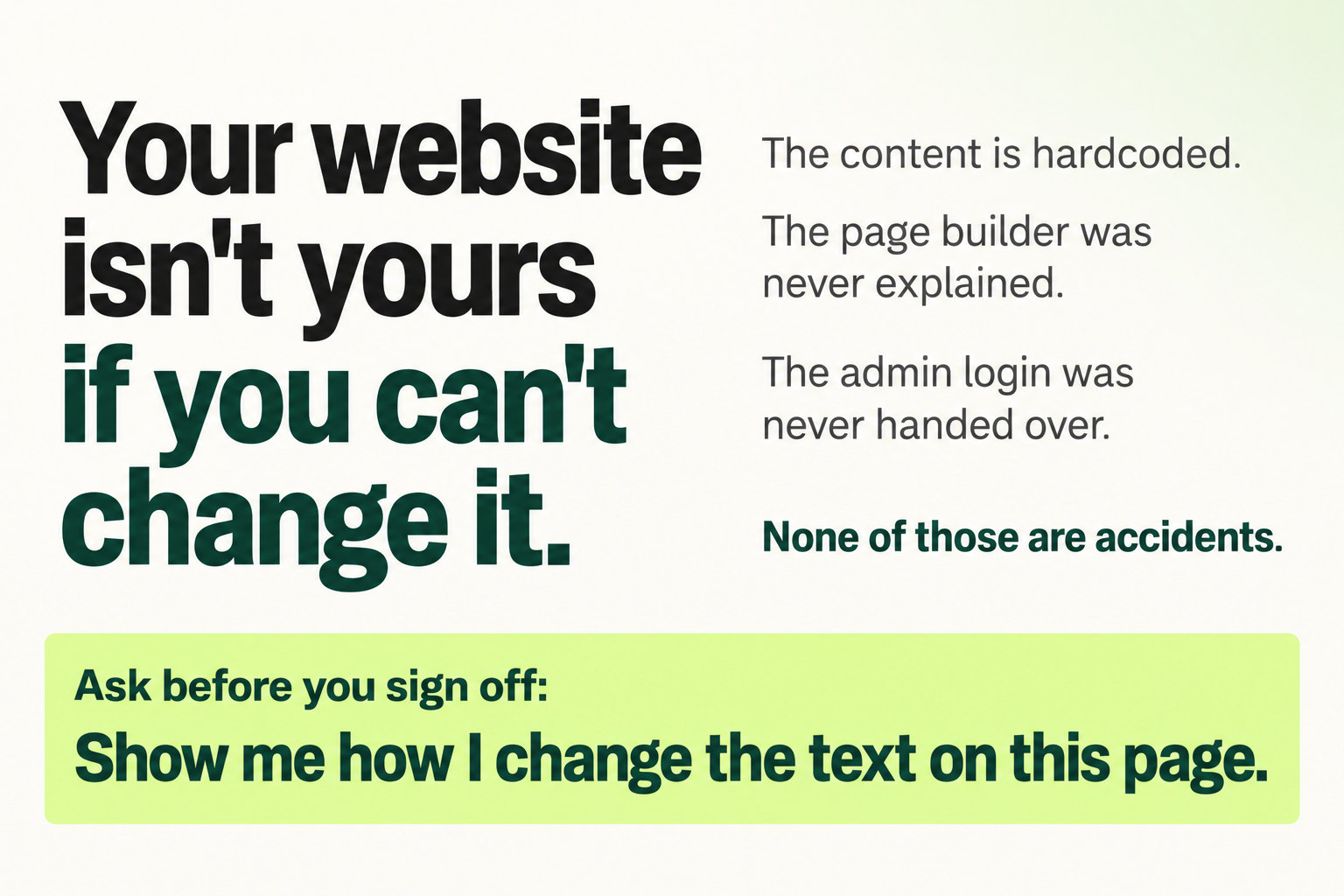
A developer creates the pages, publishes the site and disappears. When the company wants to change a package, somebody sends a message to the developer. Two days later the update is made. Eventually the team stops updating the website because the process is too inconvenient.
That creates an operational problem disguised as a website problem.
Modern tourism websites should separate the website design from the information the business needs to manage regularly. A content management system can allow staff to update tour dates, descriptions, offers, blogs, experiences and other structured content without editing the underlying code.
The exact solution depends on the business. A small villa may only need simple control over rooms, offers and destination content. A tour operator with dozens of itineraries may need structured fields around duration, destinations, inclusions, pricing and departure information.
Structured content becomes valuable elsewhere too. The same tour information can potentially feed landing pages, search features, enquiry forms and future integrations without being rewritten repeatedly.
Emergency information also becomes easier to communicate. If an attraction closes or weather changes an itinerary, a business can update the relevant page and customer notices quickly rather than leaving outdated content live while waiting for technical help.
There is an SEO benefit as well. Websites that are actively maintained can keep important product and destination information accurate. The objective is not changing text every day to manipulate Google, but preventing search visitors from landing on information that is no longer true.
The CMS still needs control. Giving everybody inside the company complete editing access can create inconsistent layouts, broken URLs and duplicated content. Strong systems make common updates easy while protecting the technical structure underneath.
This is why website development should consider what happens after launch. Asking who will update the website, how frequently information changes and which parts of the business need operational control is just as important as choosing colours and animations.
A tourism website is not a finished brochure. It is part of the live business.
At Tourithm, we build tourism websites with that ongoing use in mind, because the website should become easier to operate as the business grows rather than becoming another digital asset everybody is afraid to touch.