Blog
Wildlife Is Not Inventory. Yala Just Reminded the Tourism Industry Why.
September 15, 2026
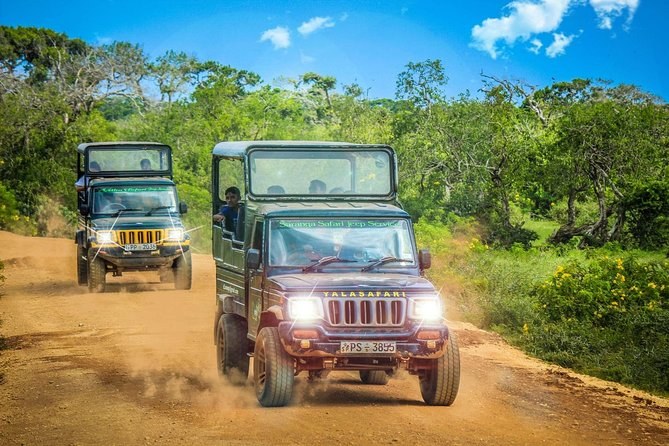
Yala’s 2026 drought restrictions show why wildlife tourism businesses need accurate marketing, live information and contingency plans when conditions change.
Sri Lanka temporarily restricted tourists from core areas of Yala National Park in September as severe drought conditions created water shortages and additional pressure on wildlife. The decision prioritised animal welfare while the park dealt with one of the country’s most serious dry periods in years. For tourism businesses selling safaris, this is more than an operational update. It is a reminder that nature-based tourism cannot be marketed as though the product is completely under the operator’s control.
Safari companies often sell through photographs of leopards, elephants, crocodiles and dramatic wildlife encounters because those visuals generate attention. The problem begins when the marketing creates an expectation that those sightings are effectively guaranteed. The operator may control the jeep, driver, pickup time and quality of the guide, but nobody controls wildlife behaviour, weather or environmental conditions.
Strong wildlife marketing therefore needs to sell the quality of the experience rather than a guaranteed result. A knowledgeable guide, responsible viewing practices, understanding animal behaviour, landscape, birdlife and the overall ecosystem can remain valuable even when one famous species does not appear. The more a safari brand depends entirely on one promised sighting, the more vulnerable the product becomes when conditions change.
The technical side of the business needs the same flexibility. A safari page that was accurate three months ago can become misleading overnight when access conditions change. Tourism websites should be easy for operators to update without waiting for a developer to rewrite hard-coded content. Current notices, altered routes, alternative experiences and realistic expectations should be communicated quickly across the website, social media, Google presence and direct customer channels.
Customer communication becomes especially important once somebody has already booked. The worst approach is allowing a traveller to discover an important restriction only when they arrive at the park. Automated pre-arrival emails, WhatsApp updates and clear rebooking or alternative options can turn a potentially disappointing situation into evidence that the operator is professional and prepared.
This also creates an opportunity to diversify the product. A wildlife company that sells only one park is much more exposed to closures, environmental pressure or seasonal changes than a business capable of recommending different parks, nature experiences, birding, cultural stops or alternative itineraries depending on current conditions. Product diversification is not only a marketing strategy. It is operational risk management.
Responsible tourism should also become visible in the brand. When authorities restrict access to protect wildlife, an operator that complains only about lost bookings sends a very different message from one that explains why the decision matters and helps customers experience the destination responsibly. For many international travellers, that attitude can actually strengthen trust.
Nature will always introduce uncertainty into wildlife tourism. The businesses that handle that uncertainty honestly will build stronger reputations than those trying to market nature as a guaranteed attraction.
At Tourithm, we believe tourism websites and campaigns should be designed for the reality of the industry, not just the perfect brochure version of it. When conditions change, your digital systems should help the business adapt just as quickly.