Blog / / Tourithm
India Is Sri Lanka's Biggest Tourism Market. Are Local Businesses Actually Marketing Like It?
Sri Lanka's largest tourism source market in 2026. Learn how tourism businesses can create more relevant content, offers and digital campaigns for Indian travellers.
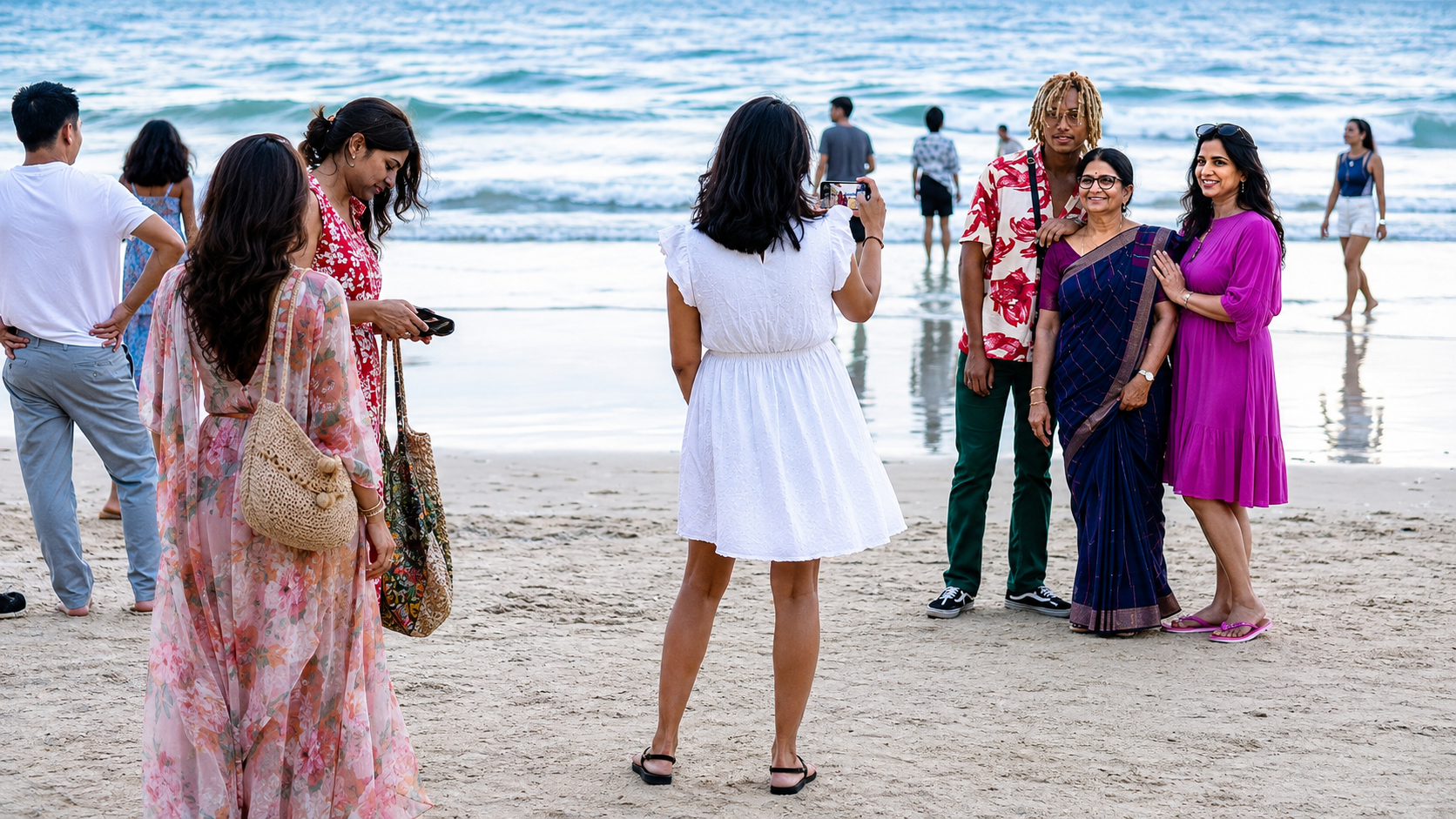
By 23 August 2026, Sri Lanka had welcomed 374,820 visitors from India, making it the country's largest international source market by a substantial margin. India also represented roughly a quarter of arrivals during the first 23 days of August. Those numbers make India impossible to treat as simply another country inside a broad international marketing campaign.
Geographic proximity creates a major advantage for Sri Lanka. For many Indian travellers, the island is a relatively accessible international destination capable of combining beaches, wildlife, culture, food, wellness, nightlife and luxury experiences within a compact trip. But proximity alone does not guarantee that individual tourism businesses will capture that demand.
One of the biggest mistakes is assuming that every international customer responds to the same message. A European couple planning a three-week holiday may have a completely different decision process from an Indian couple considering a shorter international escape. Families, honeymooners, groups of friends, corporate travellers and premium leisure customers from India also represent very different opportunities.
Marketing therefore needs to become more specific. A Sri Lankan resort targeting Indian destination weddings should not communicate the same way as a boutique villa targeting couples. A tour operator selling short premium itineraries should not present the same product structure as one designed around three-week European tours.
The traveller should be able to recognize quickly that the business understands the kind of trip they are planning. Relevant itineraries, suitable room configurations, dietary information, transfer details, celebration packages, family experiences and short-duration travel options can all make the business easier to consider.
Digital behaviour matters too. Recent global travel research shows that social media plays an especially large role in travel inspiration among Indian consumers, with Booking.com survey data reported in August showing social platforms used by a significant share of Indian travellers for destination inspiration. That makes visually strong content particularly useful, but attractive reels alone are not enough.
Once content creates interest, the traveller still needs somewhere to go. A campaign should connect naturally to a relevant landing page, itinerary, package or enquiry route rather than sending every customer to the same generic homepage. The shorter the gap between inspiration and useful information, the easier it becomes for interest to turn into action.
Businesses should also think beyond leisure tourism. Sri Lanka has been actively strengthening MICE and corporate tourism links with India, including promotional activity in Chennai during 2026 focused on conferences, incentive travel and business partnerships. Hotels, transport businesses, restaurants, venues and experience providers can all benefit from that demand if their digital presence communicates the right capabilities.
The Indian market is already sending substantial numbers of travellers to Sri Lanka. For local businesses, the opportunity is no longer simply attracting “more Indians.” It is understanding which Indian travellers fit the business best and building a digital journey specifically around them.
At Tourithm, we believe source-market marketing should go deeper than selecting a country inside an advertising dashboard. The content, offer, website and customer journey should all make the traveller feel that the product was built with their trip in mind.