Blog / / Tourithm
Why Digital Marketing Will Be Critical for Sri Lanka Tourism in 2026
Discover why digital marketing is becoming essential for Sri Lankan tourism businesses and how a stronger online presence can help generate more inquiries and bookings.
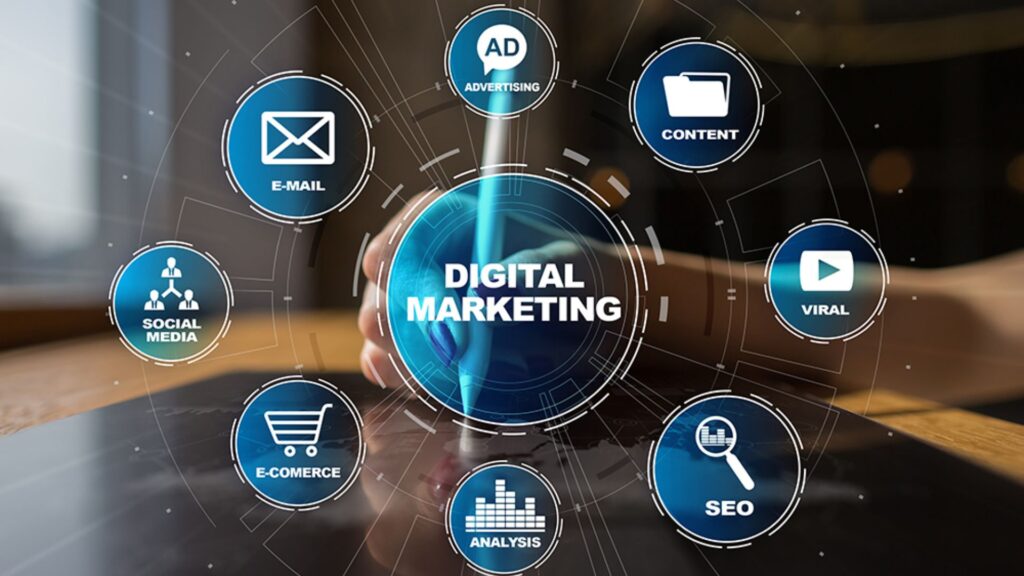
Sri Lanka’s tourism industry is expected to continue its growth in 2026, with projected international arrivals ranging from approximately 2.55 million to 3 million. This creates a significant opportunity for hotels, villas, resorts, tour operators, travel agencies and other tourism businesses across the country. But there is an important difference between more tourists arriving in Sri Lanka and more tourists choosing your business.
That difference is increasingly influenced by digital visibility.
Before booking a hotel, tour or experience, travellers often research their options online. They compare websites, photos, reviews, locations, packages and prices before deciding which business they want to contact. If a tourism business has an outdated website, unclear information or a weak online presence, potential customers can easily move to another company.
Digital transformation is already identified as an important part of Sri Lanka’s tourism growth. Digital marketing also plays an important role in reaching both traditional and emerging tourism markets. This means digital marketing should not be viewed simply as an additional promotional activity. For many tourism businesses, it is becoming part of the core sales process.
A website should function as more than an online brochure. It should explain what the business offers, where it is located, what makes it different and why travellers should choose it. It should also make it easy for visitors to ask questions, request a quotation or make a booking.
Content is another important part of digital tourism marketing. Travellers often begin researching their holiday before they know exactly which hotel, tour operator or experience provider they want to use. Businesses that publish useful information about destinations, experiences, activities and travel planning can become visible during this early decision-making stage.
Social media can also help tourism businesses build awareness and showcase their experiences. However, businesses should not depend entirely on social media platforms. A strong website and digital ecosystem give a business greater control over how its brand, services and customer journey are presented.
The goal of digital marketing should not simply be to collect followers or website visitors. The real goal is to attract the right travellers and turn their interest into genuine inquiries and bookings.
As Sri Lanka welcomes more international visitors in 2026, competition for those travellers will also increase. Tourism businesses that invest in their digital presence now will be better positioned to capture the opportunities created by the country's tourism growth.