Blog / / Tourithm
Sri Lanka Does Not Only Need More Tourists. It Needs More Value From Every Tourist.
Sri Lanka is attracting large visitor numbers, but tourism earnings remain under pressure. Learn what higher-value tourism means for local businesses in 2026.
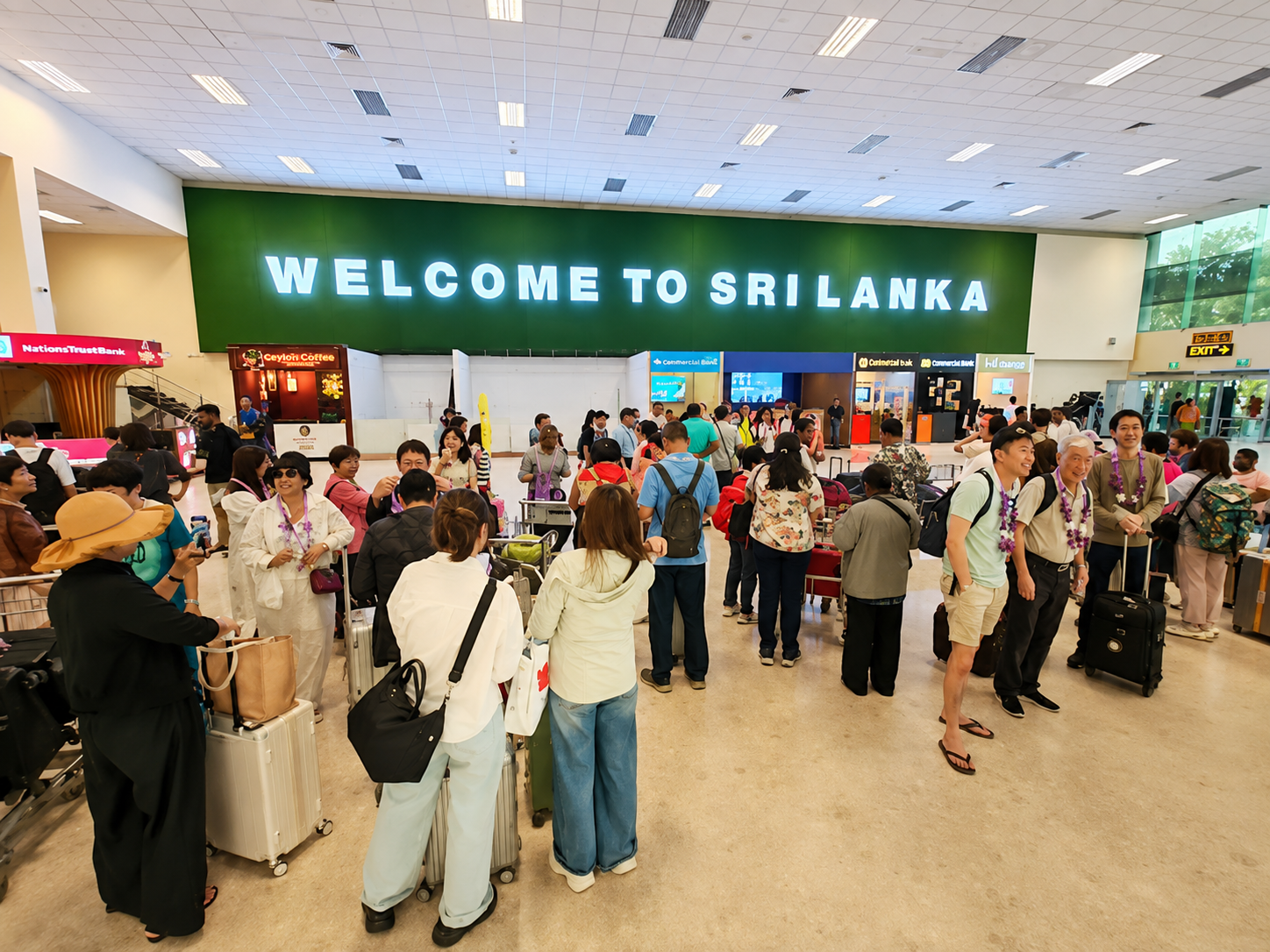
Sri Lanka's tourism conversation often focuses on one headline number: arrivals. More visitors generally sound like good news, and strong arrival numbers can create opportunities across accommodation, transport, dining, attractions and experiences. But the number of people entering the country is only one part of the tourism economy. What those travellers spend, how long they stay and how widely that spending reaches local businesses matter just as much.
That difference has become especially relevant in 2026. Central Bank data showed that tourism earnings during the first half of the year were estimated at around USD 1.51 billion, down 11.8% from the corresponding period of 2025, while arrivals during the same six months were only marginally lower. Sri Lanka is still attracting substantial visitor numbers, but the gap between volume and value raises an important question for the industry.
For individual tourism businesses, higher-value tourism does not necessarily mean becoming a five-star luxury brand. A small villa, safari operator, restaurant, driver or experience provider can increase value by giving travellers better reasons to spend rather than constantly trying to become the cheapest option available. The focus shifts from selling a basic service to designing a stronger overall experience.
A tour operator, for example, can sell transport between destinations or create a carefully designed private journey that combines guiding, local food, experiences and better itinerary planning. A restaurant can compete on the cheapest meal in the area or develop a dining experience built around local ingredients, atmosphere and storytelling. A villa can sell a room or package the stay with transfers, experiences and personalized services that make the booking more valuable to the guest.
This is where branding and presentation become commercially important. Travellers are unlikely to pay more simply because a business decides it wants higher margins. They pay more when they understand why the experience is worth more. Strong photography, a professional website, clear positioning, reviews and thoughtful packaging help communicate that difference before the customer arrives.
Businesses should also think carefully about where revenue is leaving the customer journey. A traveller may stay three nights at a property but spend heavily elsewhere on transport, restaurants and experiences because the property never offered anything beyond the room. Another operator may bring international guests into Sri Lanka but pass nearly every secondary purchase to unrelated businesses without creating partnerships or commissions.
Higher-value tourism therefore involves understanding the entire visitor economy rather than only the initial booking. The same traveller can create value across accommodation, food, transport, wellness, culture, shopping and experiences if businesses make those opportunities easy to discover and purchase.
Sri Lanka's own tourism authority defines its mission around becoming a high-value destination that delivers extraordinary and responsible experiences rather than simply maximizing visitor volume. That ambition only becomes meaningful when local tourism businesses translate it into products customers actually want to buy.
The businesses that win from higher-value tourism will not necessarily be the largest ones. They will be the businesses that understand their customer, communicate value clearly and make it easy for travellers to spend more because the experience genuinely becomes better.
At Tourithm, we see digital growth as part of that shift. Strong positioning, websites, content, photography and marketing should not simply produce more attention. They should help tourism businesses attract the right travellers and create more value from the demand they already receive.