Blog / / Tourithm
A Jeep Is Not a Safari Brand
Learn how safari operators in Yala, Udawalawe, Wilpattu and other Sri Lankan wildlife destinations can attract travellers and generate more direct bookings.
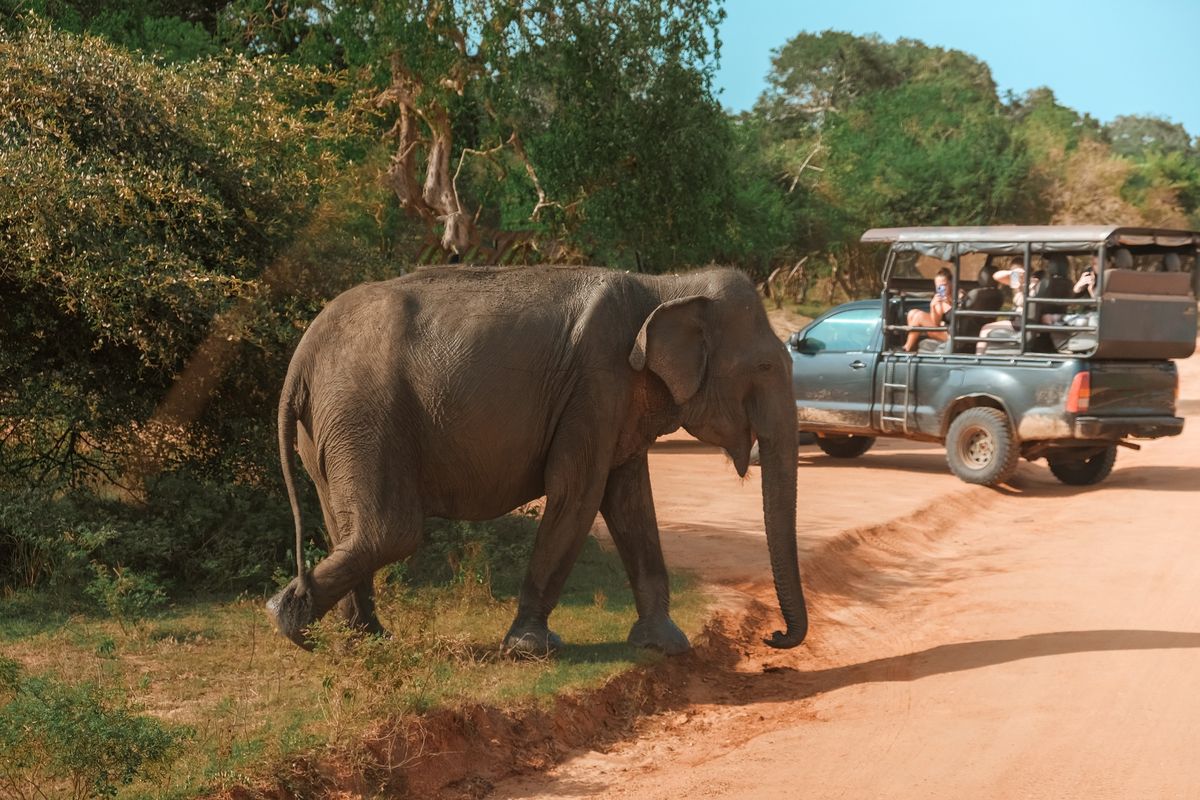
When a traveller searches for a safari in Yala, Udawalawe or Wilpattu, they can quickly find many businesses that appear to offer almost the same thing. There is a jeep, a driver, a national park and the possibility of seeing wildlife. When every operator looks identical online, price becomes one of the easiest ways for the customer to compare them.
A safari business is actually selling much more than transport into a national park. The quality of the experience can depend on wildlife knowledge, communication, responsible behaviour, vehicle condition, timing, reliability and the ability of a guide or driver to help guests understand what they are seeing. These differences are extremely important in person, but many operators fail to communicate them before the booking.
Photography naturally plays a large role in safari marketing because wildlife creates powerful visual content. However, the objective should not be to create unrealistic expectations by making every potential guest believe they will definitely see a leopard or another rare animal. A stronger brand can use wildlife imagery while still communicating that nature is unpredictable and that the quality of a safari should be judged by the entire experience.
The people behind the safari should also be visible. Showing knowledgeable guides, real drivers and the vehicles used can create much stronger trust than an anonymous page filled entirely with animal photographs. Travellers may spend several hours with the operator, so understanding who will actually deliver the experience can influence the decision.
Useful content creates another major opportunity. Visitors often want to know whether a morning or afternoon safari is better, what clothing to wear, how long the experience lasts, whether children can participate and how entry procedures work. Answering those questions professionally gives the operator an opportunity to demonstrate expertise before the traveller has made a booking.
Reviews can then reinforce that expertise. Previous customers may specifically mention whether the guide was knowledgeable, whether the vehicle arrived on time, whether the operator behaved responsibly around wildlife and whether the experience felt organized. Those comments can separate a serious safari operator from businesses competing almost entirely on price.
Responsible tourism can itself become a point of differentiation. Travellers increasingly notice how vehicles behave around animals and whether operators respect the environment. A safari company that communicates responsible wildlife viewing and prioritizes a quality experience over aggressive chasing can attract customers who care about how their tourism spending affects the destination.
Social media should reflect the same positioning. Instead of becoming an endless collection of leopard and elephant photographs, content can explain animal behaviour, introduce guides, provide safari advice and help travellers understand the ecosystems they are visiting. That builds authority instead of simply generating impressions.
A strong safari brand therefore gives the traveller more ways to compare the business than just price. At Tourithm, we help tourism experience providers package and communicate their real value digitally so they can compete through expertise, professionalism and experience rather than entering another race to become the cheapest jeep outside the park.