Blog / / Tourithm
Your Travel Website Is Getting Visitors. So Why Is Nobody Asking for a Quotation?
Getting visitors but no enquiries? Learn why Sri Lankan travel agency and tour operator websites lose potential customers before they request a quotation.
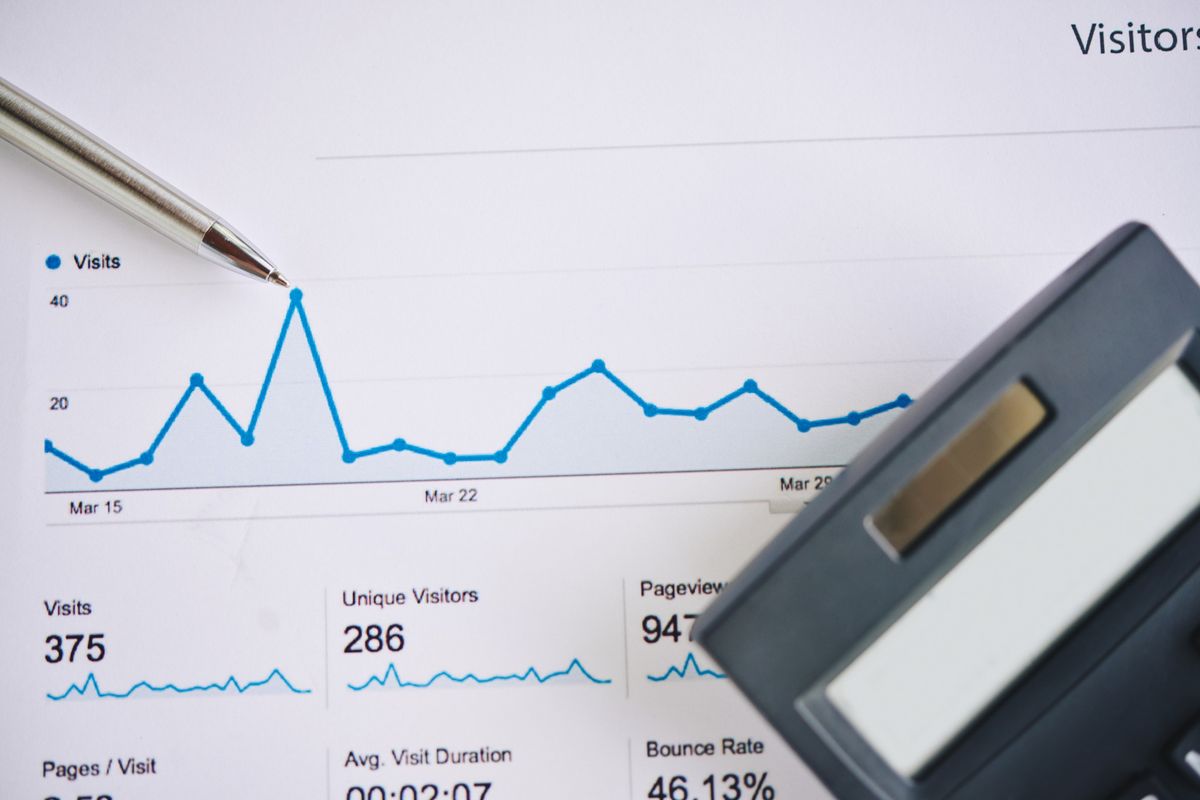
A travel company opens its analytics dashboard and sees encouraging numbers. Hundreds or thousands of people are visiting the website, destination articles are receiving traffic and social media campaigns are successfully generating clicks. Despite all of that activity, serious tour enquiries remain almost unchanged.
The automatic reaction is often to assume that the business needs even more traffic. Sometimes the real problem is completely different. The website may already be attracting enough attention but failing to turn that attention into a conversation.
This is especially important for Sri Lankan tour operators because international travellers often compare several companies before selecting one. They may be planning a substantial holiday from thousands of kilometres away and need far more reassurance than someone purchasing a simple low-cost product online.
A website can contain a huge amount of information and still create confusion. Forty tour packages, dozens of destination pages and hundreds of photographs may sound impressive, but a traveller with twelve days available may still struggle to identify which itinerary is appropriate for them.
Good travel websites make decisions easier. Honeymoon travellers should quickly understand which experiences suit couples, families should find relevant options without opening every package and someone interested in wildlife should have a clear path toward the tours designed around that interest.
Trust can become another major barrier. A website may show spectacular photographs of Sri Lanka while saying almost nothing about the actual company operating the tours. Travellers want to understand who will manage their holiday, where the business is based, what previous guests say and what happens after an enquiry is submitted.
The enquiry process itself can also reduce conversions. An enormous form requesting every detail of the holiday before the customer has spoken to anyone can feel exhausting, while a form asking for almost nothing may make it difficult for the sales team to understand what the traveller actually wants. The right amount of information should help begin a useful conversation rather than turning the enquiry into paperwork.
Calls to action should also reflect the product. A button saying “Book Now” may make sense for a simple activity, but someone planning a customized two-week tour may not be ready to purchase immediately. Language such as “Plan My Trip,” “Customize This Tour” or “Request an Itinerary” can better reflect the customer's actual next step.
Mobile usability matters because a significant amount of travel research happens on phones. A website that looks excellent on a desktop but becomes difficult to navigate on mobile can lose potential customers before they ever reach the enquiry form.
The business also needs to respond well once the enquiry arrives. A website can perform perfectly and still lose the customer if the company replies two days later with a generic message. Digital marketing and sales performance are closely connected at this stage.
Analytics should therefore measure more than visitor numbers. Businesses need to know which pages generate enquiries, which markets convert well and where customers abandon the journey. At Tourithm, we design tourism websites around that complete commercial process because attracting visitors is only the first half of the job. The website still has to give those travellers enough confidence to become customers.