Blog / / Tourithm
From Spice Grinders to Silicon: Digitizing Sri Lanka's Authentic Culinary Heritage
Explore how interactive maps, digital trails, and online cooking platforms are bringing Sri Lanka's rich culinary diversity and home cooks to global travelers.
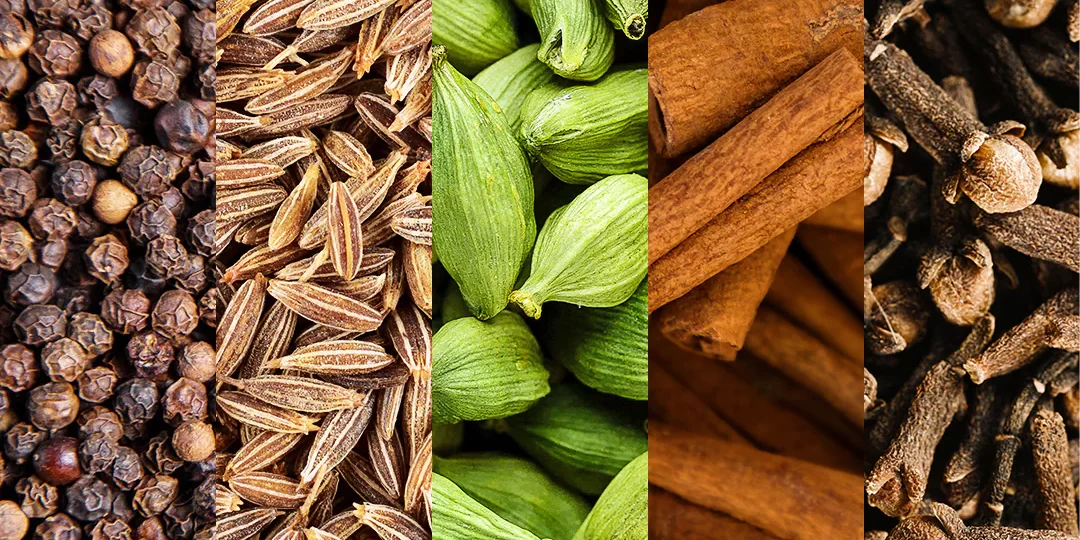
Ask many travellers what they remember most about Sri Lanka and the answer may not be a monument or a hotel. It may be a plate of rice and curry, the sound of kottu being prepared on a hot metal surface, the aroma of freshly ground spices, a cup of Ceylon tea or a meal prepared by a local family. Food is one of the most powerful ways through which travellers experience a destination because it connects people with agriculture, geography, culture, traditions and everyday life. For Sri Lanka, this creates an opportunity to use digital technology not to replace traditional food culture, but to make its authentic culinary heritage easier for international travellers to discover.
Sri Lankan cuisine is far more diverse than the simplified image that international visitors may encounter online. Food traditions vary according to geography, community, religion, agricultural practices, available ingredients and family traditions. A traveller searching for "Sri Lankan food" may find famous dishes such as rice and curry, hoppers, kottu and string hoppers, but behind these familiar names is a much larger culinary landscape. Traditional village meals, regional recipes, indigenous ingredients, spice-growing communities, traditional sweets and home-based cooking practices all form part of the country's food identity.
Digital technology can help reveal this diversity. Imagine a traveller opening a tourism application and seeing a map filled with culinary experiences. One location could offer a traditional rice-and-curry lunch, another could provide a visit to a spice garden, another could introduce visitors to a family-run cooking experience, while another could offer a street-food trail. Each location could provide information about the dish, its cultural background, ingredients, preparation method, location and host. Instead of becoming simply a restaurant directory, such a platform could become a digital culinary map of Sri Lanka.
The growth of digital media has already changed the way travellers discover food. A short video can introduce an unfamiliar dish to millions of people, while a small restaurant can gain international visibility without having the marketing budget of a large hotel. Research on Sri Lankan food tourism has also examined tourist preferences and the role of food in destination identity. This creates an opportunity to convert online interest into real tourism experiences.
Digital culinary tourism can go beyond photographs and menus. A traveller could discover a traditional dish online, reserve a cooking experience, meet a local host, learn about the ingredients, prepare the dish and then share the experience. This transforms food from something that tourists simply consume into an experience they actively participate in. Virtual cooking classes can provide another layer by allowing Sri Lankan chefs and home cooks to introduce traditional recipes to international audiences before those travellers even arrive in the country.
The economic potential is equally important. Digital platforms can provide visibility to small culinary entrepreneurs who might otherwise struggle to reach international tourists. Home cooks, small restaurants, spice producers, farmers, food guides and traditional food producers can potentially become part of a wider tourism ecosystem. However, digitisation must also protect authenticity. Culinary knowledge should not simply be extracted and commercialised without recognising the communities and individuals who preserve it. The people behind the food—the farmers, cooks, producers and families—should remain part of the story.
Technology therefore offers Sri Lanka an opportunity to preserve culinary heritage while creating new tourism products. Interactive maps, multilingual storytelling, digital reservations, online cooking experiences and location-based recommendations can connect visitors with food traditions across the island. The objective is not to make Sri Lankan food more artificial or commercial. It is to make the authentic food that already exists easier for the world to discover.