Blog / / Tourithm
If Your Marketing Report Ends at “Messages Received,” You Are Missing the Most Important Part
Tourism businesses need better campaign tracking. Learn why Meta Ads and Google Ads should be connected to enquiries, qualified leads and bookings instead of reach alone.
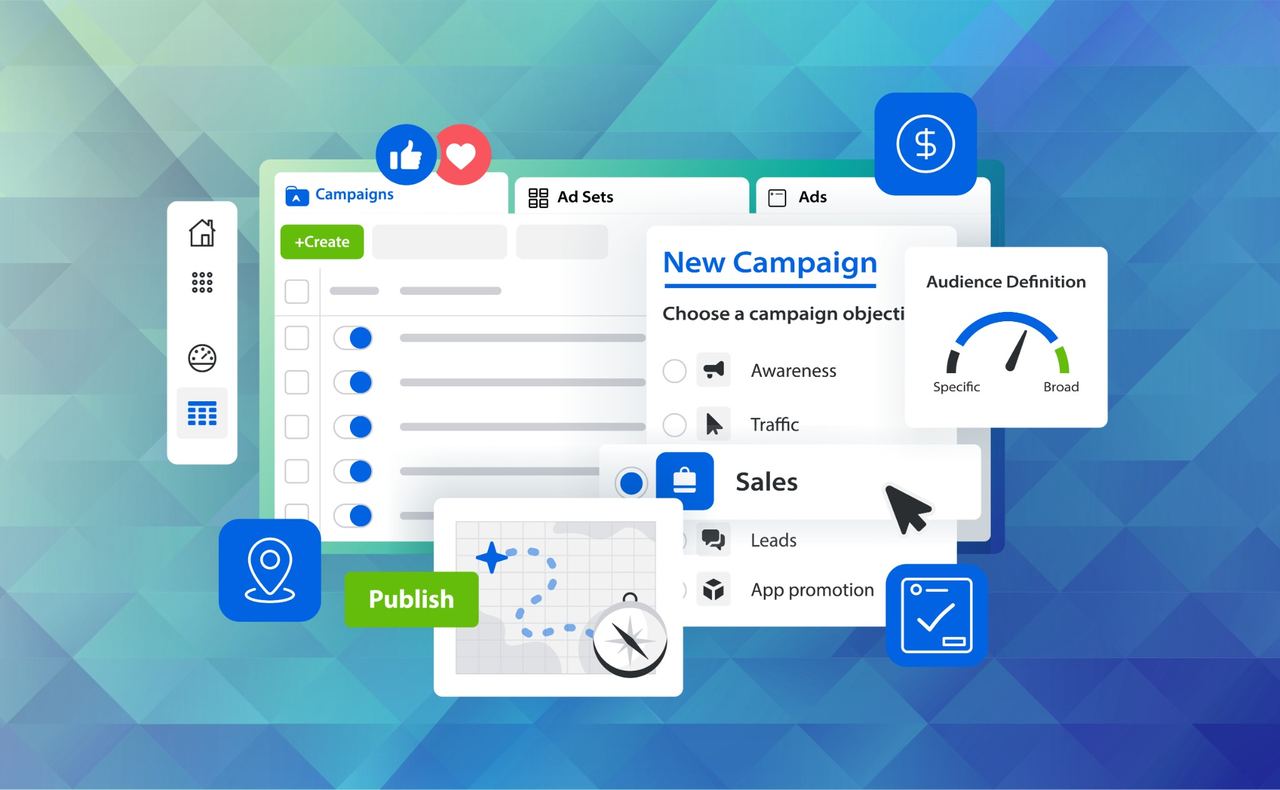
Sri Lanka's private tourism sector recently welcomed the country's new international promotional campaign while specifically calling for stronger performance monitoring and accountability around campaign results. That demand for better measurement should apply just as strongly to individual tourism businesses.
Many tourism companies run paid campaigns with surprisingly little tracking. The business knows how much it spent, how many people saw the advertisement and perhaps how many WhatsApp messages arrived. After that, the data disappears.
Nobody knows which leads were serious, which received quotations, which booked or how much revenue the campaign actually produced.
This makes optimization extremely difficult.
Imagine a hotel runs campaigns targeting the UK, Germany and Australia. Germany generates the most messages, so the team automatically decides it is the strongest market. What if most German enquiries are price shoppers who never book, while Australian leads are fewer but convert into longer stays at higher room rates?
Without connecting marketing data to business outcomes, the company may increase budget in exactly the wrong place.
Technical conversion tracking helps solve part of this problem. Advertising platforms can record meaningful actions after a user clicks, including completed forms, bookings or visits to confirmation pages. Google explicitly recommends conversion measurement because it gives advertisers insight into what users do after interacting with advertising.
For tourism businesses, however, the booking journey is often more complicated than standard ecommerce. A customer may click an advertisement, browse the website, move to WhatsApp, receive an itinerary three days later and complete a bank transfer a week after that. The platform may not automatically understand the entire journey.
This means businesses need their own lead-management discipline as well.
Every enquiry can be connected to a source. The team can record whether it was qualified, whether a quotation was issued, whether the customer booked and what the final value was. Over time, this creates a much clearer picture of which campaigns actually generate profitable business.
UTM parameters, analytics, Meta's tracking tools, Google conversion tracking and CRM systems can all contribute, but technology alone is not the objective. The goal is creating enough visibility to make better decisions.
The business should eventually be able to answer questions such as which market produces the best customers, which landing page converts most effectively, which tour package generates the strongest leads and whether retargeting produces cheaper bookings than cold advertising.
Without that information, optimization becomes guesswork.
A campaign should not be considered successful simply because the advertising dashboard is green.
At Tourithm, we believe tourism marketing should connect the advertisement to the final commercial result as closely as possible. When the business understands what actually creates bookings, budgets can move from assumptions toward evidence.