Blog / / Tourithm
Sri Lanka Launches a New Global Tourism Marketing Strategy: What It Means for Tourism Businesses
Sri Lanka launches a major new tourism marketing strategy with digital campaigns, global branding, AI discovery, and a focus on high value travelers.
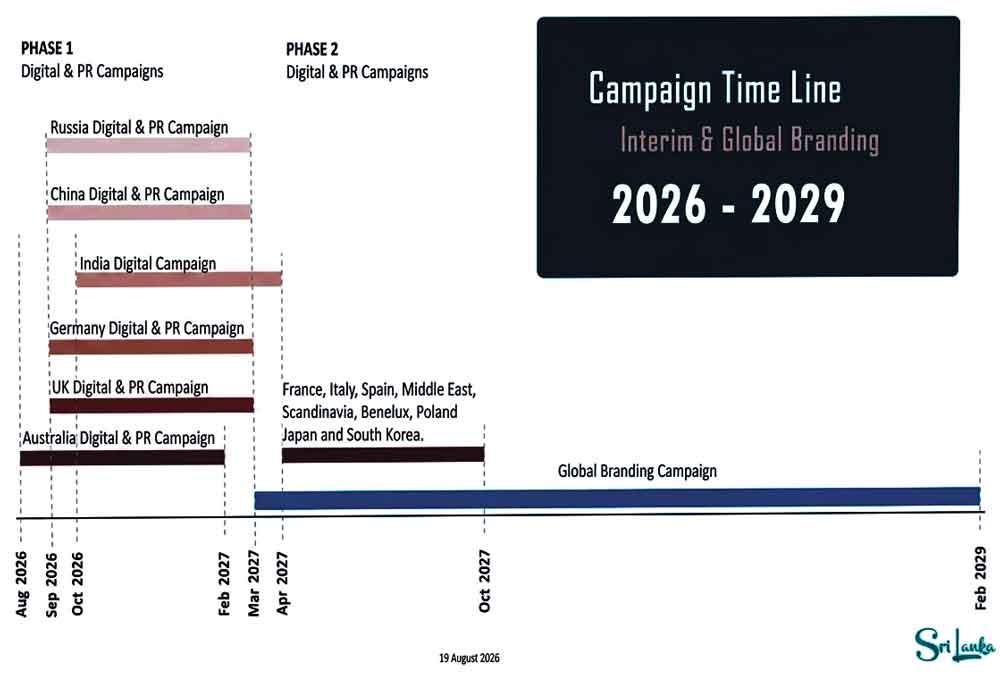
Sri Lanka is entering a new phase of international tourism promotion with the launch of a major global marketing strategy designed to strengthen the country's destination brand and attract more high value international travelers.
According to a report by Daily Mirror, the Ministry of Tourism and Sri Lanka Tourism Promotion Bureau have introduced a two stage promotional programme following years without a sustained global tourism campaign. The first phase is a Rs. 1.5 billion digital and public relations campaign running from August 2026 to April 2027, followed by a planned Rs. 5 billion global branding campaign from March 2027 through February 2029.
The timing is significant for Sri Lanka's tourism industry. The country recorded a record 2.36 million tourist arrivals in 2025 and generated approximately US$3.2 billion in tourism revenue. For 2026, authorities are targeting more than 2.7 million arrivals and US$4.2 billion in tourism revenue, with a longer term ambition of exceeding 5 million visitors and generating US$8 billion to US$10 billion annually by 2030.
But the new strategy is not simply about attracting more tourists.
One of its most important objectives is to attract higher spending and longer staying travelers. This represents a shift away from measuring tourism success primarily through visitor numbers and towards improving the value generated by each traveler.
The strategy is built around a broader range of Sri Lankan travel experiences, including leisure, culture, nature, adventure, wellness, luxury, and MICE tourism. It also aims to bring lesser promoted destinations into the international spotlight, including locations in the Northern and Eastern provinces.
This is particularly important for tourism businesses outside the traditional hotspots.
A villa in the East, a boutique hotel in the hill country, a wildlife experience in a less visited region, or a local cultural tour could benefit from greater international destination awareness. The government strategy specifically seeks to expand tourism geographically and promote experiences beyond traditional sun and beach tourism.
Another major development is the focus on digital discovery.
Sri Lanka Tourism is working to ensure that destination information can be found not only through traditional search engines, but also through AI assistants and generative travel tools. Destination data and regional itineraries are being structured so that AI platforms can accurately index Sri Lankan experiences and recommend them to travelers planning trips.
This creates an important opportunity for individual tourism businesses.
As travelers increasingly use Google, social media, short form video, and AI platforms to research holidays, businesses need to ensure that their own digital information is accurate, complete, and easy to discover. A strong website, active Google Business Profile, quality reviews, useful content, and consistent information across online platforms can become increasingly important in this new discovery environment.
The strategy also recognizes the importance of content creators. A creator incubation programme is planned to support 100 local content creators in producing internationally relevant visual stories about Sri Lanka. Digital payments, digital nomad promotion, and other technology driven initiatives are also included in the broader framework.
For tourism businesses, this means the competitive landscape is changing.
A business can no longer depend entirely on its physical location or a listing on a major booking platform. When international marketing creates more interest in Sri Lanka, travelers will research individual businesses before they decide where to stay, what to do, and who to book.
That makes digital readiness increasingly important.
Businesses should be prepared with professional websites, strong visual content, updated Google Business Profiles, positive reviews, clear booking options, and content that communicates the experiences they offer. The country's global marketing may attract the traveler, but the individual business still needs to convert that interest into a booking.
Sri Lanka's new tourism strategy therefore represents more than a government advertising campaign. It signals a broader shift towards experience led, digitally driven, high value tourism.
With major international promotion beginning now and a larger global branding programme planned for the years ahead, Sri Lankan tourism businesses have an opportunity to prepare for a new generation of travelers before demand reaches them.
The country is getting ready to tell the world more about Sri Lanka.
Tourism businesses need to make sure they are ready to be discovered when the world starts listening.
Source
Daily Mirror: Inside Sri Lanka’s strategic blueprint for global tourism marketing promotion, published August 20, 2026.