Blog / / Tourithm
The Same Tourist Is Buying From Five Businesses. Why Are Those Businesses Marketing Separately?
Hotels, drivers, restaurants, tour operators and experiences often serve the same traveller. Strategic tourism partnerships can increase bookings and visitor spending.
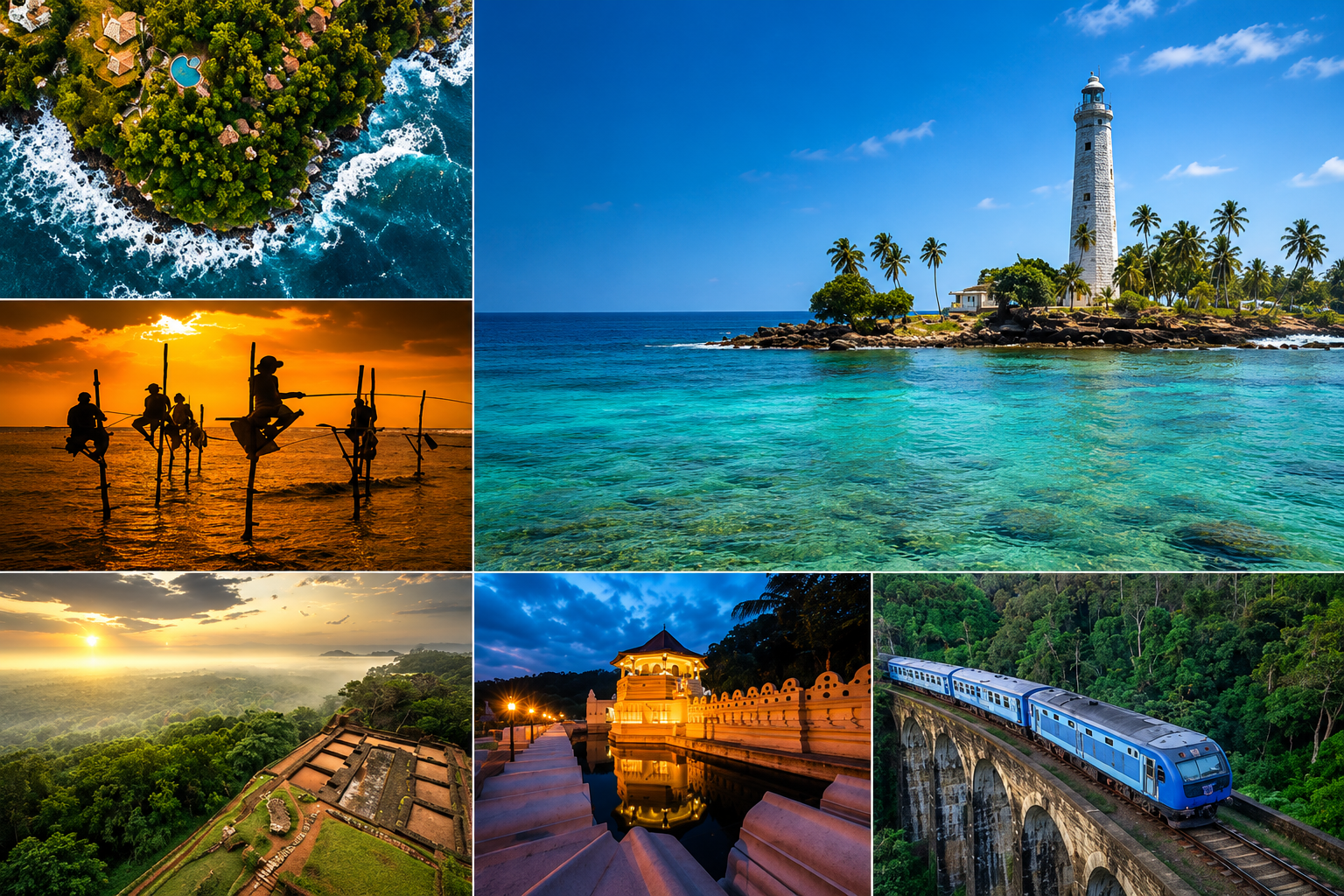
A traveller staying at a villa in Mirissa may also hire a driver, eat at several restaurants, book a whale watching experience, visit a spa and take a surfing lesson. To the traveller, these purchases are all parts of one holiday. To the businesses providing them, they are often treated as completely separate transactions.
That separation creates missed opportunities across Sri Lanka's tourism industry. Hotels regularly receive questions about drivers. Drivers are asked where customers should eat. Tour operators need reliable accommodation. Restaurants are asked about nearby activities. Yet many businesses answer those questions informally without building any structured partnership around the demand.
A strong tourism partnership can make the traveller's experience easier while creating additional revenue for the businesses involved. A boutique villa can build a trusted network of transfers, experiences and restaurants rather than simply sending guests to search Google. A driver can recommend reliable activities along a route. An experience provider can work with accommodation businesses that consistently serve the right type of customer.
The goal is not turning every recommendation into an aggressive commission scheme. Trust is more important. Recommending a poor supplier for a small financial reward can damage the main business that made the recommendation.
The strongest partnerships therefore begin with customer fit. A premium wellness retreat may need very different transport and dining partners from a budget surf hostel. A family-focused tour operator may prioritize reliability and child-friendly experiences, while a luxury travel company may need privacy and personalization.
Digital marketing can make these relationships much more visible. Instead of a hotel website containing only rooms, it can show carefully selected experiences around the property. A tour itinerary can connect specific accommodation, food and activities into one coherent journey. A destination guide can introduce local businesses that genuinely improve the stay.
This also helps tourism spending spread further through local communities. Travellers who can easily discover nearby experiences are more likely to spend beyond their accommodation, particularly when those recommendations come from a business they already trust.
Partnerships can strengthen content production as well. A hotel and cooking experience can create content together. A driver can collaborate with an attraction on route guides. A surf school and nearby café can build a shared package around the lifestyle their customers already enjoy.
The biggest advantage is that each partner already owns access to a relevant audience. Instead of every small tourism company continuously paying to reach travellers from zero, businesses can introduce customers to each other at the appropriate point in the journey.
Sri Lanka's tourism authority itself frames the country's long-term direction around memorable, authentic experiences that provide wider economic benefits to communities. Local business networks are one of the most practical ways to make that idea commercially real.
The tourism businesses that grow fastest may not always be those with the biggest advertising budget. They may be the ones that become useful parts of a stronger local ecosystem.
At Tourithm, we see tourism marketing as connected by nature. The traveller is already moving between businesses. The digital strategy should reflect that reality instead of pretending every booking journey happens in isolation.