Blog / / Tourithm
Sri Lanka Can Market the Destination. It Cannot Convert the Customer for Your Business.
Sri Lanka's new tourism campaign is creating international visibility, but hotels, tours and tourism businesses still need websites, reviews and conversion-ready digital systems.
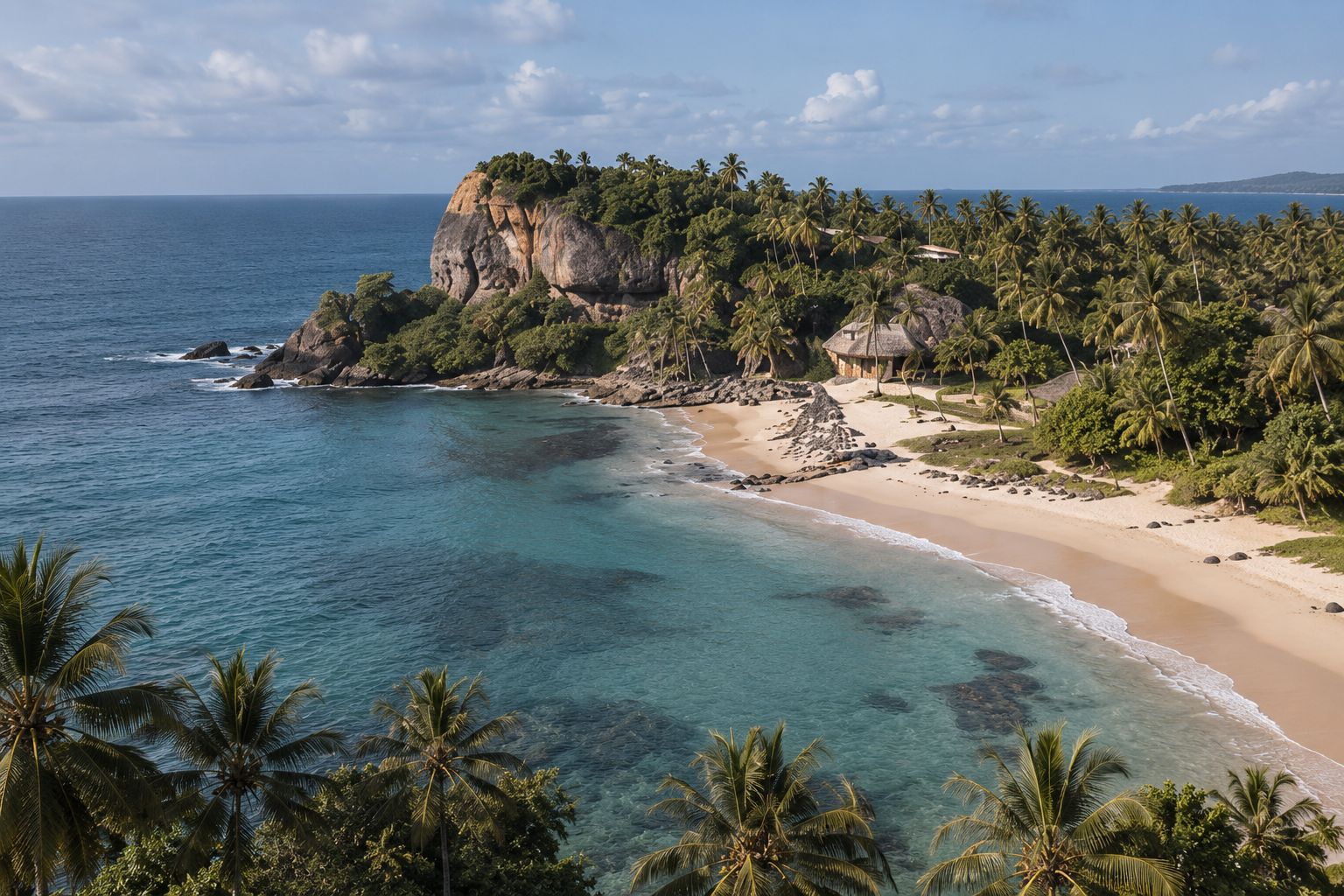
Sri Lanka has launched a LKR 1.5 billion interim digital and public relations tourism campaign across Australia, the United Kingdom, Germany, India, China and Russia, with a much larger global promotional programme planned to follow. The objective is to rebuild international demand, strengthen destination awareness and move Sri Lanka closer to its tourism growth targets.
For local tourism businesses, this creates an important opportunity. A stronger national campaign can inspire travellers to research Sri Lanka, search for accommodation, compare itineraries and discover experiences they may not previously have considered. What the national campaign cannot do is decide which individual hotel, driver, tour operator, restaurant or activity provider ultimately receives that customer.
That battle happens afterwards.
Imagine a traveller in Germany sees a Sri Lanka tourism campaign and becomes interested in visiting the island. They search for boutique hotels in Ella, private drivers, safaris and beach accommodation. At that point, the destination campaign has already done part of its job. Sri Lanka has entered the traveller's consideration.
Now your business has to appear.
If the hotel is invisible on Google, the tour company's website looks abandoned or the activity provider has almost no reviews, the traveller simply chooses another business. The country can spend heavily creating demand while individual businesses still fail to capture it.
This is why national tourism promotion and individual business marketing should not be confused. Destination marketing brings people toward the market. Business-level marketing determines who wins once they arrive inside that market.
Sri Lanka's new campaign also makes digital readiness more important because much of the promotion itself is digital. Travellers influenced by online advertising are likely to continue researching online. They may move from an advertisement to Google, social media, an OTA, a review platform or the official website before making a decision.
Every one of those touchpoints needs to tell the same credible story.
A villa cannot advertise itself as a premium retreat while showing dark phone photographs on Google. A tour operator cannot promise professional international service while responding to enquiries with poorly formatted messages and no proper itinerary. A wellness retreat cannot run sophisticated overseas campaigns while its website leaves basic programme information unanswered.
The campaign may increase the number of people looking at the business, but visibility magnifies weaknesses as well as strengths.
This is why tourism companies should use the current national promotion period to audit their digital infrastructure. Search the business from another person's phone. Check what Google shows first. Open every major page on mobile. Review the photographs. Read the latest reviews. Submit an enquiry and observe what happens. Compare the experience with the strongest competitors.
Google's advertising guidance makes the same fundamental point at platform level: landing pages need relevant information, easy navigation, mobile usability and a clear way for customers to act. Sending more advertising traffic toward a poor destination does not solve the conversion problem.
Sri Lanka's tourism campaign can create a larger wave of international attention. Individual businesses still need to be ready to catch it.
At Tourithm, we see national destination promotion as an opportunity for tourism businesses to strengthen the systems they control. Sri Lanka can convince someone to visit the island. Your digital presence has to convince them to visit you.