Blog / / Tourithm
How Sri Lankan Tourism Businesses Can Attract More High-Value Travellers in 2026
Learn how Sri Lankan tourism businesses can attract high-value travellers through unique experiences, wellness, culture, nature and stronger value propositions.
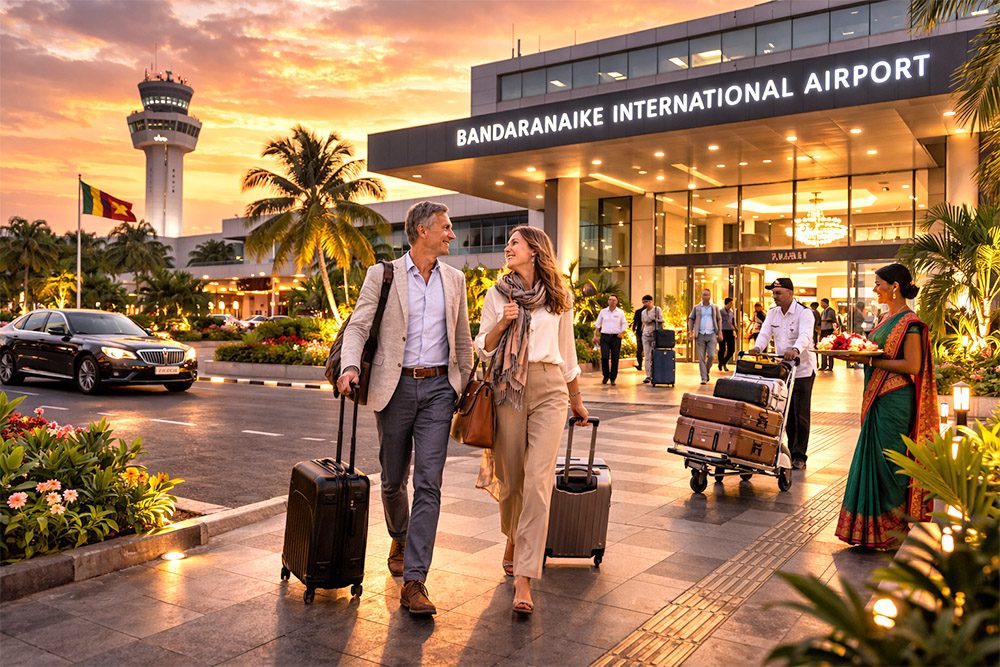
Sri Lanka’s tourism growth is creating opportunities not only to attract more visitors but also to develop higher-value tourism experiences. As the global tourism market becomes more competitive, businesses need to think beyond simply selling accommodation, transportation or standard tours.
The 2026 tourism outlook identifies niche and high-yield segments such as wellness, nature-based, cultural and MICE tourism as areas with potential for growth. These segments allow Sri Lankan businesses to create experiences that are more distinctive and valuable to travellers.
High-value tourism does not necessarily mean offering the most expensive product. A traveller may be willing to spend more because of a unique experience, personalized service, convenience, privacy, authenticity or quality. The key is making that value clear.
Sri Lanka has a strong foundation for experience-based tourism. A visitor can combine beaches, wildlife, heritage, culture, food, wellness and nature within a relatively compact destination. Tourism businesses can use these advantages to create complete experiences rather than simply selling individual services.
For example, a hotel can move beyond selling a room by creating a wellness stay that combines accommodation, local food, relaxation and wellness experiences. A tour operator can move beyond selling transportation by creating a cultural journey that introduces travellers to local communities, food, traditions and heritage.
Wellness tourism is another area with potential. Sri Lanka already has strong associations with Ayurveda, nature and relaxation. Businesses can bring these elements together into carefully designed experiences that appeal to travellers looking for more meaningful holidays.
Cultural tourism can also create differentiation. Instead of simply taking visitors to a popular attraction, businesses can introduce travellers to the stories, food, traditions and communities connected to the destination. These experiences can be more memorable and difficult for competitors to replicate.
The way these experiences are presented online is equally important. High-quality images, videos, detailed descriptions, customer reviews and professional websites can help travellers understand the experience before they make an inquiry.
Global economic uncertainty may also make travellers more conscious about value. This does not mean tourism businesses should simply reduce their prices. Instead, they should communicate what customers receive for their investment and why the experience is worth choosing.
Sri Lanka has the opportunity to compete not only through destination beauty but through the quality and uniqueness of the experiences businesses create. Tourism businesses that understand this shift can position themselves for stronger and more valuable growth in 2026.