Blog / / Tourithm
Meta Ads for Hotels in Sri Lanka: Why Boosting Posts Doesn’t Get Bookings
Running Facebook or Instagram ads for your hotel? Learn why boosting posts is not a complete strategy and how Sri Lankan properties can run smarter campaigns.
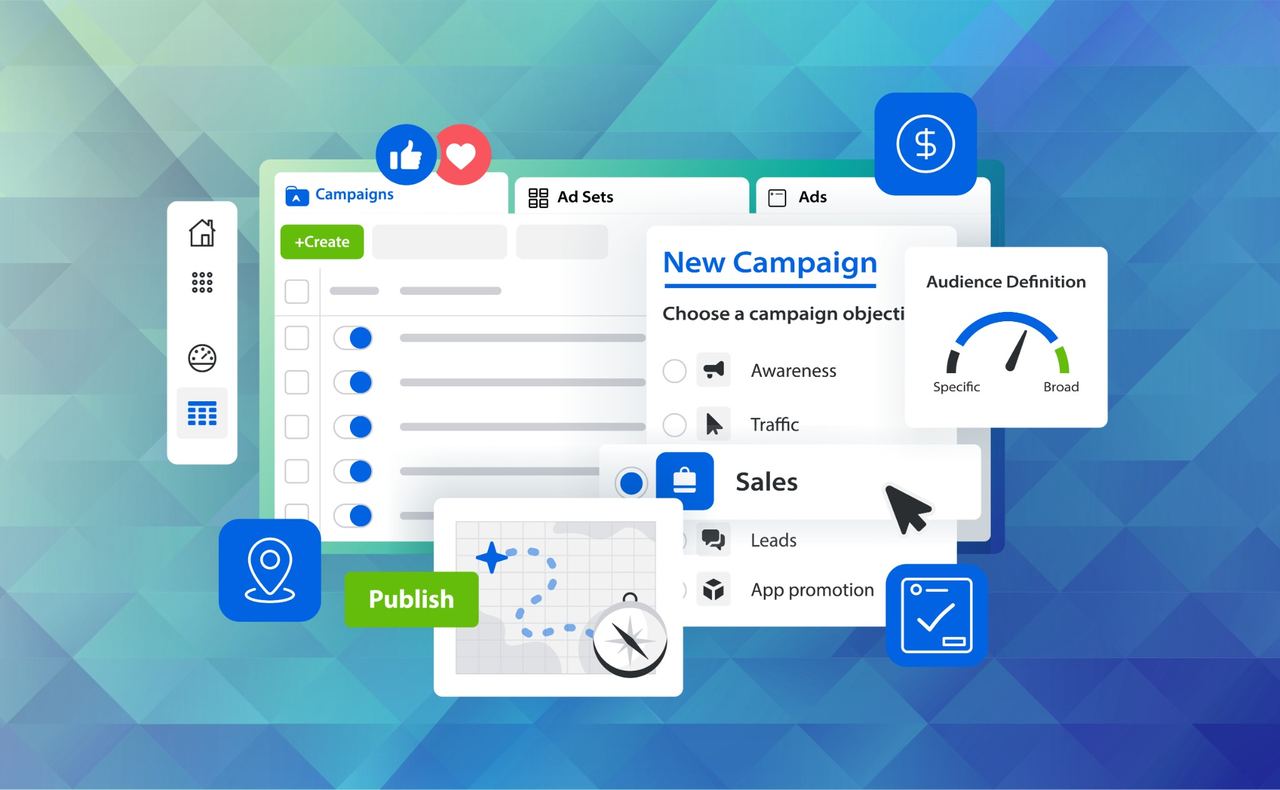
A hotel publishes a beautiful Instagram reel. The pool looks perfect, the rooms look premium and the sunset is incredible. Someone taps Boost Post, selects a budget and lets the campaign run. A few days later, the numbers look impressive. Thousands of views, hundreds of likes and plenty of profile visits.
Then someone asks the most important question. How many bookings did it generate?
Sometimes nobody knows.
This is one of the biggest problems with hotel advertising on Facebook and Instagram. Visibility can easily be confused with business performance. There is nothing wrong with getting attention, but attention and customer acquisition are not the same thing.
A traveller watching a beautiful hotel video may genuinely love the content without having any intention of travelling to Sri Lanka. Another person may be planning a holiday next month and actively searching for accommodation. Both can produce a view, but commercially they are completely different audiences.
This is why Meta ads for hotels in Sri Lanka should begin with a business objective rather than a piece of content. The hotel needs to know whether it wants to build awareness, generate website traffic, receive WhatsApp enquiries, promote a particular package or bring previous website visitors back into the booking journey.
Those campaigns should not necessarily look the same.
Imagine a villa in Mirissa wants international bookings for December. A broad campaign showing an attractive reel may reach thousands of people, but the business still needs to ask whether those people are actually likely to visit Sri Lanka, whether they are travelling during the relevant period and whether the property suits the type of holiday they are planning.
The creative needs to match the traveller as well. A honeymoon couple may care about privacy, atmosphere and experiences for two. A family may care more about room configuration, safety, pool access, meals and convenient transport. It is the same hotel, but the reason to book can be completely different.
Strong tourism advertising speaks to those differences instead of showing the same message to everyone.
The website or booking destination matters just as much as the advertisement. A campaign can successfully create interest, but if someone clicks through to a slow website with weak photographs, unclear room information and a confusing booking process, the customer can disappear immediately.
In that situation, the advertisement may not actually be the problem. It brought the traveller to the business. The digital experience failed to convert them.
This is why hotels should avoid judging advertising in isolation. Paid campaigns work best when the rest of the booking journey is already strong. Good photography attracts attention, the website builds trust, room information answers questions and the enquiry or booking process gives the traveller a clear next step.
For smaller villas and guesthouses, that next step may simply be a properly managed WhatsApp conversation. A larger hotel may use an online booking engine. The correct solution depends on how the business operates, but the important thing is that the traveller should not be left wondering what to do next.
Remarketing also creates an important opportunity for tourism businesses. International travellers often research accommodation long before making a reservation. Someone may visit a hotel website today, compare other properties tomorrow and make the final decision several days later.
If the hotel disappears completely after the first visit, that initial interest is wasted. A later advertisement showing the property again, highlighting a room, sharing a guest experience or communicating a relevant offer can put the hotel back into the traveller's decision.
This is very different from repeatedly advertising to completely new people.
Measurement should also go further than likes and views. Hotels should try to understand how many people visit the website, click WhatsApp, open the booking system, submit an enquiry and eventually become customers. Even when the final reservation happens through a conversation, the business should understand which marketing activity helped create that customer.
A campaign producing fifty serious enquiries can be far more valuable than a reel producing a million views from people who will never visit Sri Lanka.
That is the difference between boosting content and building an advertising strategy.
Boosting puts more reach behind something that already exists. A proper hotel advertising campaign begins with the customer, identifies what the business wants that customer to do, creates the right message and then measures what happens after the click.
For Sri Lankan hotels and villas, that shift can make the difference between spending money on attention and investing money in bookings.
At Tourithm, we approach tourism advertising around the complete customer journey, connecting audience strategy, content, websites, tracking and conversion so that campaign performance is measured by what actually matters to the business.