Blog / / Tourithm
Your Restaurant Is Competing for the Customer Before They Even See the Menu
Learn how restaurants and cafés in Sri Lanka can use digital marketing, food photography, search visibility and social media to attract more tourists and increase customers.
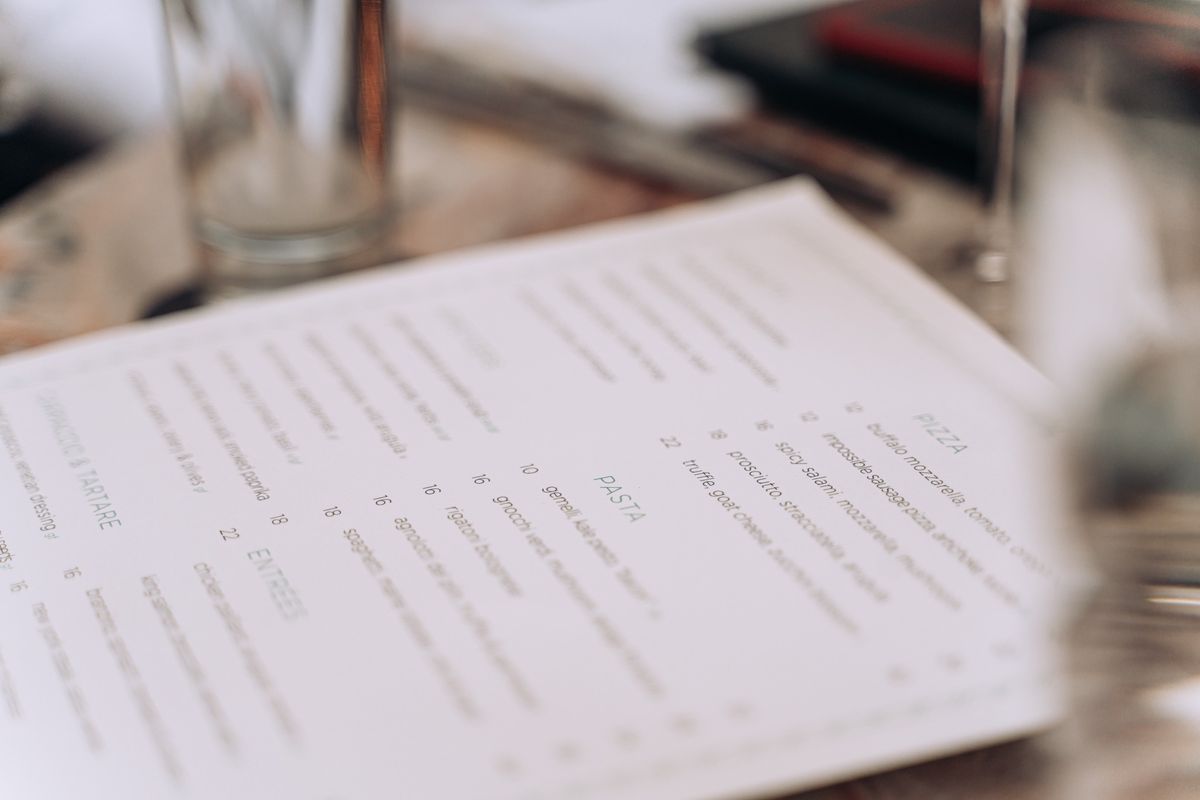
A traveller staying in Galle, Ella, Mirissa, Kandy or Arugam Bay does not necessarily walk outside and choose the first restaurant they see. Many travellers decide where to eat while sitting inside their hotel room, browsing Google, checking reviews, looking through Instagram and comparing menus. By the time they walk through a restaurant's door, a large part of the decision may already have happened online.
This means a restaurant can serve exceptional food and still lose customers to another business with a stronger digital presence. The competing restaurant may not necessarily have better food, but its photographs may look better, its menu may be easier to find, its reviews may create more confidence and its social media may communicate a more interesting experience. For tourism restaurants in Sri Lanka, being good in person is no longer enough if that value is not communicated properly online.
Restaurant digital marketing should therefore involve more than occasionally uploading food photographs to Facebook or Instagram. Google visibility, reviews, social media, photography and accurate information all influence whether a traveller chooses one restaurant over another. Someone searching for seafood in Mirissa, breakfast in Ella or a restaurant near Galle Fort is already showing commercial intent, which makes being discoverable at that moment extremely valuable.
Photography has a particularly important role because food is highly visual. A poorly lit photograph can make an excellent dish look average, while strong food photography can communicate freshness, texture, portion size and presentation before the customer tastes anything. The restaurant itself should also be photographed properly because travellers may care just as much about the atmosphere, view, seating, outdoor space or bar as they do about the menu.
Menus should also be easy to access. A tourist should not have to send a message simply to find out whether a restaurant serves vegetarian meals, seafood, cocktails, breakfast or local dishes. Clear menu information helps travellers understand whether the restaurant fits what they are looking for and removes unnecessary uncertainty before they arrive.
Social media becomes much more effective when it communicates what dining there actually feels like. A chef preparing a signature dish, fresh seafood arriving in the morning, cocktails being made at sunset or guests enjoying dinner overlooking the ocean can sell the experience much better than repeatedly posting static promotional graphics. Tourism customers are often buying a memory as much as a meal, so marketing should communicate the setting and experience around the food.
Reviews then strengthen everything else. A restaurant can describe itself as one of the best places to eat in the area, but previous customers describing excellent service, good food, friendly staff and a memorable atmosphere creates a different level of trust. Restaurants should pay attention to what customers repeatedly mention because those comments often reveal the strongest selling points of the business.
The objective should not simply be increasing followers or generating more likes. The real objective is becoming the restaurant a traveller discovers, remembers and confidently chooses while deciding where to spend part of their holiday. At Tourithm, we approach restaurant marketing from that commercial perspective, connecting photography, digital content, search visibility and social media around the goal of turning online attention into actual customers.