Blog / / Tourithm
Your Website Is Global. Your Customer Is Not.
International travellers discover and plan trips differently. Learn why Sri Lankan tourism businesses need market-specific landing pages and digital campaigns.
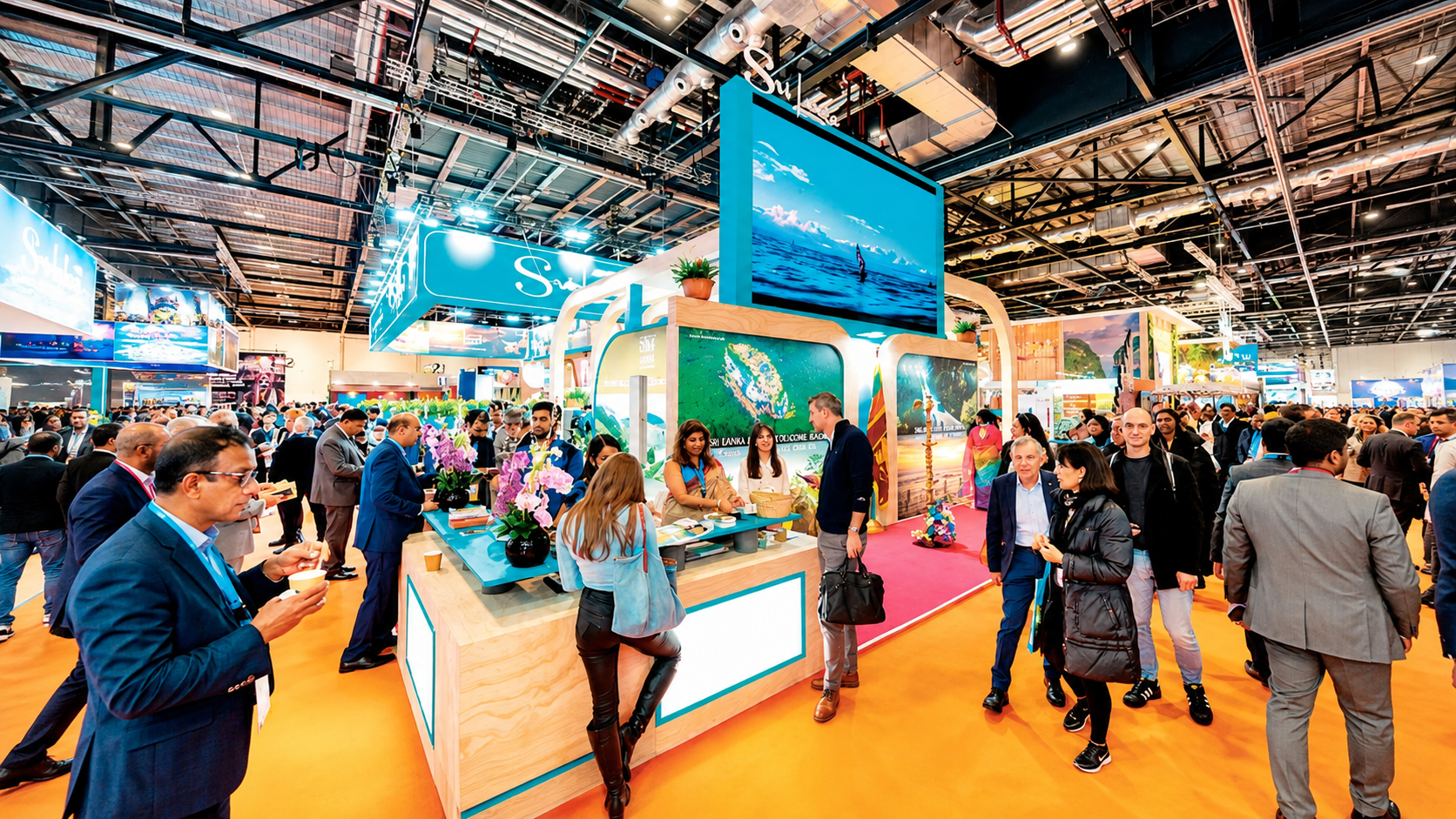
A Sri Lankan tourism website can be opened from London, Mumbai, Berlin, Sydney or Beijing within seconds. That global availability creates the illusion that one homepage and one advertising campaign are enough to market the business internationally.
They are not.
Travellers from different markets can discover destinations through different channels, travel for different lengths of time, value different experiences and ask different questions before buying. The destination may be the same Sri Lanka, but the customer's decision process can change significantly.
Current arrival figures make this especially relevant. India, the United Kingdom and China are Sri Lanka's three largest tourism source markets in 2026, but those markets should not automatically receive identical digital journeys.
Recent travel research also shows major differences in how people discover trips. Booking.com survey data reported in August found social media particularly influential for travel inspiration in India and China, while the mix looked different across Western markets such as the UK and Germany. A business using the exact same channel mix and message everywhere may therefore be wasting part of its opportunity.
Market-specific marketing does not mean translating every website page into ten languages tomorrow. It starts by understanding which source markets matter most to the business and what those travellers actually need.
A tour operator targeting UK customers might emphasize two-week private itineraries, wildlife, boutique accommodation and detailed pre-trip planning. A campaign for nearby Indian travellers could focus more heavily on shorter breaks, family travel, celebrations or premium weekend experiences where appropriate.
A luxury property targeting the Middle East may need completely different imagery, room information, privacy messaging and family positioning. The product itself has not necessarily changed, but the reasons people choose it can change.
This is where landing pages become useful. Instead of sending every advertising campaign to the same homepage, businesses can create focused pages around specific markets, trip types or customer segments. The page can answer the questions most relevant to that audience while still remaining part of the same overall website.
Market-specific content also improves the sales conversation. When a traveller arrives after seeing information clearly connected to their trip, the enquiry begins from a stronger position. The customer already understands what the company can provide and why it may be suitable.
Businesses should avoid taking this too far by using stereotypes. Market segmentation should be based on actual traveller behaviour and business data rather than assumptions about entire nationalities. Analytics, enquiry histories, booking patterns and customer conversations can reveal which audiences genuinely convert.
The objective is relevance.
Tourism businesses spend significant amounts of money trying to increase reach, but relevance can often be more valuable than simply reaching another hundred thousand people.
One message for everyone is convenient for the business. It is not always convenient for the customer.
At Tourithm, we approach international tourism marketing by connecting source markets, customer segments, content and landing pages into one strategy. The website can remain one brand while becoming far more relevant to the different travellers that brand wants to attract.