Blog / / Tourithm
Preserving Sacred Spaces in the Digital Age: Virtual Pilgrimages and Smart Management
How smart crowd analytics, digital etiquette guides, and timed entry help safeguard Sri Lanka's sacred heritage while fostering respectful cultural journeys.
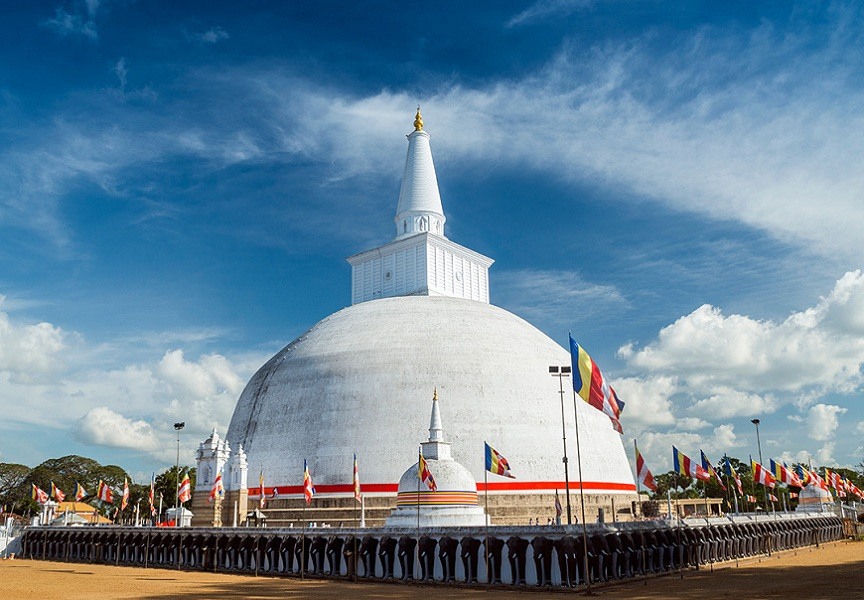
Sri Lanka's religious heritage is deeply connected to its identity and tourism industry. From the Sacred City of Kandy and the Temple of the Tooth Relic to the ancient Buddhist landscape of Anuradhapura, religious places attract both pilgrims and cultural travellers. Sri Lanka Tourism identifies pilgrimage as an important component of the country's tourism offering and provides visitors with information about major religious destinations and appropriate behaviour. Yet religious tourism presents a unique challenge because a sacred site is not simply a tourist attraction. It is a living place of worship, cultural practice and spiritual importance. The future therefore requires a careful balance between accessibility, visitor management and preservation.
Digital technology can support that balance. One of the simplest applications is providing visitors with accurate information before they arrive. A digital platform could explain appropriate clothing, photography restrictions, opening information, religious etiquette, restricted areas and accessibility. This can reduce accidental cultural misunderstandings, particularly among international travellers who may be unfamiliar with Sri Lankan religious customs.
Digital ticketing and timed-entry systems could potentially help distribute visitors more effectively at locations where visitor congestion becomes a concern. Rather than having large numbers of people arrive simultaneously, a system could provide available times, reservations and digital confirmations. Such technology should only be introduced where appropriate and with the agreement of the relevant religious and heritage authorities. Sacred sites should never be managed purely according to commercial tourism principles.
Crowd-management technology could provide another opportunity. Anonymous footfall counters, sensors and data analytics could help managers understand visitor density, congestion points and movement patterns. The objective should not be surveillance for its own sake. It should be visitor safety, conservation and better management of sensitive spaces. Data could help authorities understand when particular areas experience excessive pressure and develop appropriate visitor-management strategies.
Virtual reality offers another possibility. A person unable to travel could explore a digital representation of a sacred site. A student could learn about a religious monument remotely. A visitor could undertake a virtual introduction before travelling to Sri Lanka. This can make religious and cultural heritage more accessible without claiming that a virtual experience is equivalent to a physical pilgrimage.
Anuradhapura provides an especially interesting opportunity because its heritage landscape covers numerous important archaeological and religious locations. A digital guide could connect these places through historical maps, audio narratives, three-dimensional reconstructions, multilingual information and carefully designed walking routes. Rather than seeing monuments as isolated attractions, visitors could understand their historical and religious relationships.
The most important principle, however, is that technology must respect cultural boundaries. Not every ritual should be filmed. Not every sacred object should be digitally reproduced. Some areas may require restrictions on photography or virtual representation. Religious authorities, archaeologists, conservation specialists and local communities should therefore be involved when digital systems are designed.
The future of digital pilgrimage in Sri Lanka should not be about turning sacred places into entertainment products. It should be about helping visitors arrive with better knowledge, behave respectfully and understand the significance of the places they are visiting. When technology is designed around preservation rather than exploitation, digital tourism can become an additional tool for protecting Sri Lanka's sacred heritage.