Blog / / Tourithm
Mapping the Future: Higher Education and Government Degrees for Tourism Tech Leaders
Learn how Sri Lankan universities like Uva Wellassa and Sabaragamuwa are blending hospitality, management, and technology to train future tourism tech leaders.
Tourism was once primarily associated with hotels, travel agencies, airlines and tour guiding. That definition is changing rapidly. Modern tourism depends on booking platforms, digital marketing, customer relationship management, data analytics, online payments, artificial intelligence and other technologies. As a result, Sri Lanka increasingly needs professionals who understand both hospitality and technology.
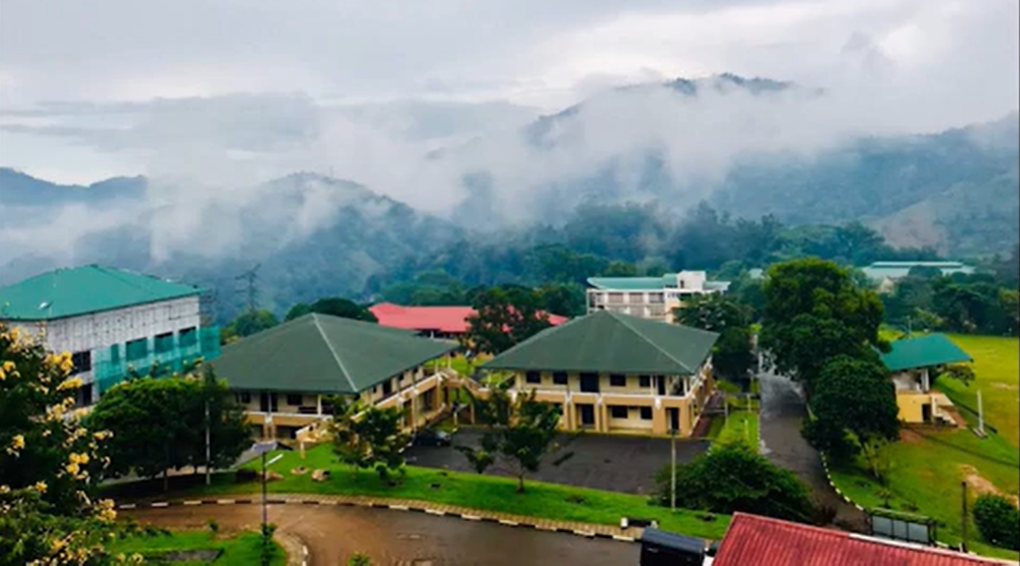
Government universities already provide several pathways into tourism and hospitality education. Uva Wellassa University offers a Bachelor of Business Management Honours in Hospitality, Tourism and Events Management. The programme combines theoretical and practical knowledge of tourism with broader business and management education. Its curriculum includes areas such as tourism, management, marketing, economics, business mathematics and information technology. The university's Department of Tourism Studies has also reported international accreditation achievements for the programme, demonstrating its emphasis on recognised academic and professional standards.
Sabaragamuwa University provides another interesting example through its BSc Honours in Tourism Management. The published curriculum combines tourism management with subjects such as Introduction to ICT and Computer Applications, Business Statistics and Database Systems and Network Technology, alongside marketing, economics, communication and tourism-related subjects. This combination illustrates why tourism and technology increasingly need to be considered together.
Digital literacy matters because almost every modern tourism business generates data. Imagine a hotel receiving thousands of website visits but only a small percentage becoming bookings. A digitally literate tourism manager should be able to investigate where visitors leave the booking journey, which marketing channels produce customers and which traveller segments generate the highest value. Without data literacy, these questions become assumptions. With data literacy, they become management decisions.
The tourism professional of the future may therefore need several complementary skills. Digital marketing can help businesses attract travellers. Data analytics can help them understand demand. AI literacy can help them use emerging technologies responsibly. CRM knowledge can help them manage customer relationships. Revenue-management knowledge can support pricing decisions, while cybersecurity awareness is increasingly important as tourism businesses collect personal and payment information.
However, university education alone cannot provide every practical skill required by a rapidly changing industry. Students can benefit enormously from internships, industry projects, tourism startups, digital marketing projects, data-analysis assignments and real-world technology challenges. A tourism technology company could provide a university student with an anonymised dataset and ask them to identify booking trends. A hotel could provide a digital marketing challenge. A travel-tech startup could allow students to prototype an AI itinerary system.
This creates a three-way opportunity. Universities provide academic knowledge and research. Tourism businesses provide real-world problems. Technology companies provide access to rapidly changing tools. Students benefit by graduating with both theoretical knowledge and practical experience.
Sri Lanka does not simply need more tourism graduates. It needs tourism professionals who can help build the next generation of tourism businesses. The future tourism manager may become a revenue analyst, digital destination marketer, travel-tech entrepreneur, AI tourism specialist, CRM manager or tourism data analyst. The strongest professionals will be those who understand that technology is not separate from tourism, it is becoming part of the infrastructure through which tourism operates.